
Shaping difficult curves
This is how Bétta glass baby bottles are made
The heat-resistant glass ingredients for the Dr. Bétta Baby Bottle are boiled in a high-temperature furnace at 1,500 degrees. They cannot be manufactured until they have been boiled for several days. The first craftsman gently scoops up the simmered, mushy material with a long stick called a ponte. As the ingredients tangled in the ponte flow away, the second craftsman quickly cuts them off with scissors and pours them into the first mold. The poured ingredients are gradually stretched and poured into the main Bétta mold. The third craftsman ensures that the ingredients in the Bétta mold have flowed out to the desired degree, then closes the two halves. Air is then let into the mold, and after a few seconds, the main mold is opened and the Bétta Baby Bottle is completed. This is the lengthy process that goes into producing the heat-resistant glass Dr. Bétta Baby Bottle. It is in this moment that you truly experience the warmth of hand-forming.
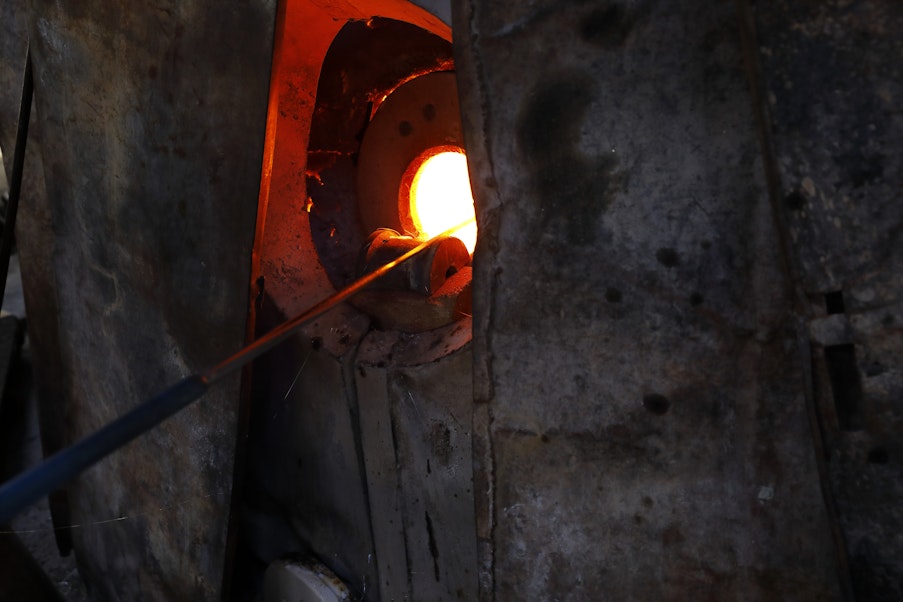
1. The most important step is winding the glass (this is where bubbles and air bubbles get in).
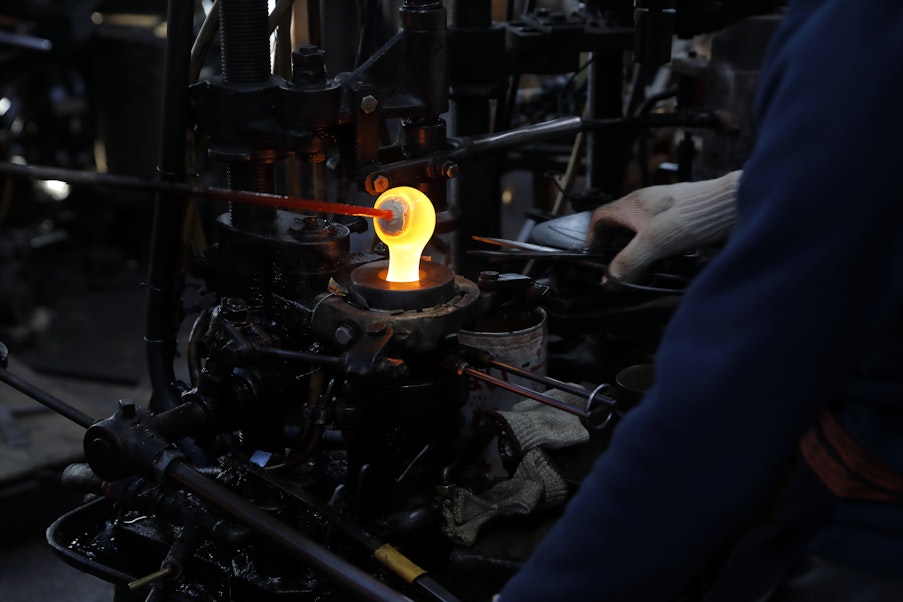
2. Pour the mixture into the first molding machine to create the rough shape.
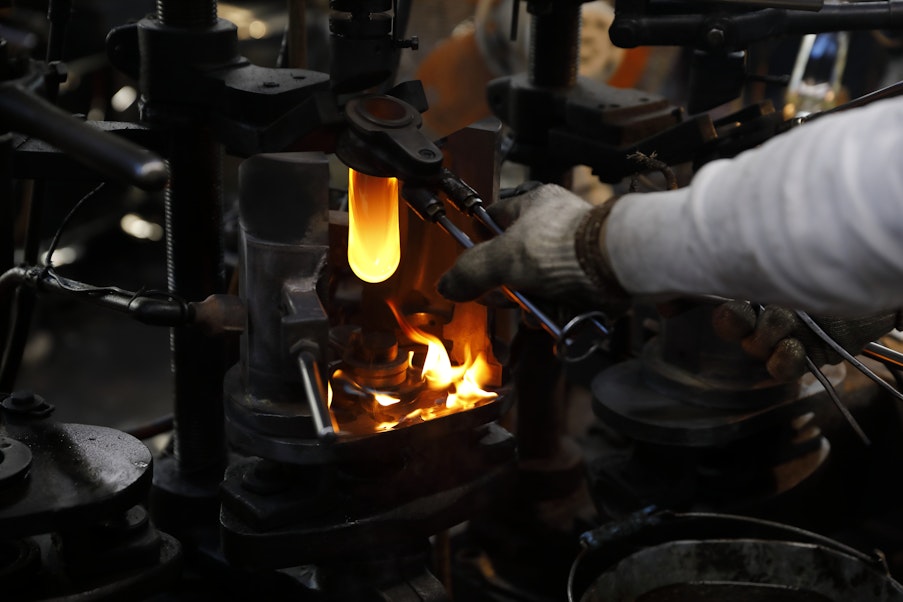
3. Transfer to a second mold and blow air into it to create the shape of a betta (lines and streaks will appear as the material flows).
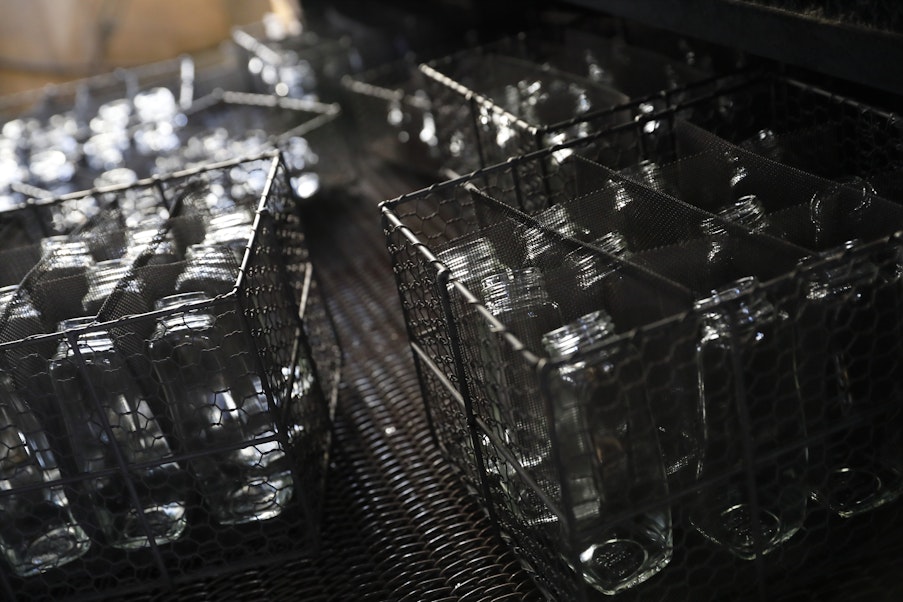
4. Slowly cool the hot glass bottle (at this point, the wire mesh will leave a mark on the bottom of the bottle).
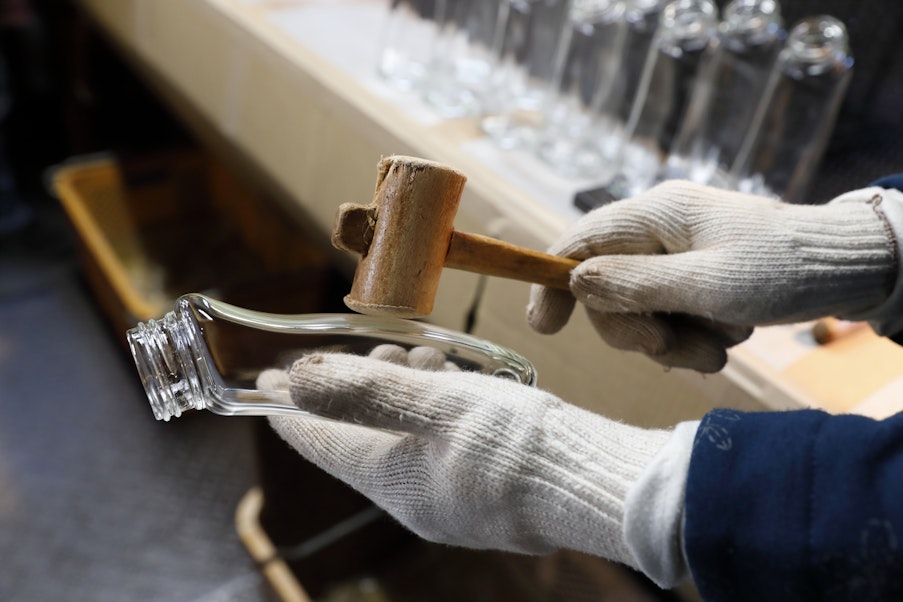
5.目視後、ノギス・計測器で厳密に計測。最後に木づちで強く叩いて検査。
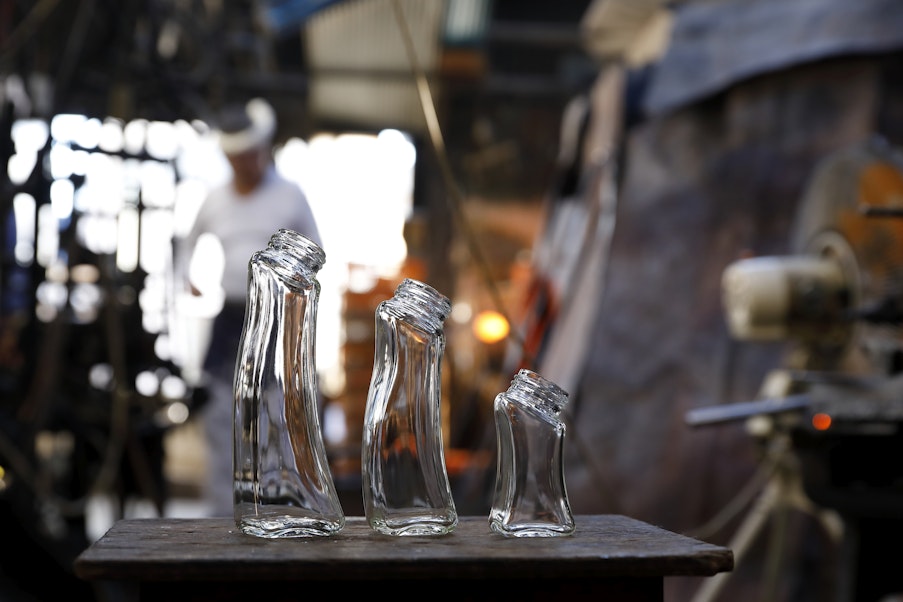
6. A freshly made Bétta baby bottle. The smooth curve is complete.
There is a unique "personality" that can only be achieved by handcrafting
Each Dr. Bétta glass baby bottle is hand-molded, making each one unique.
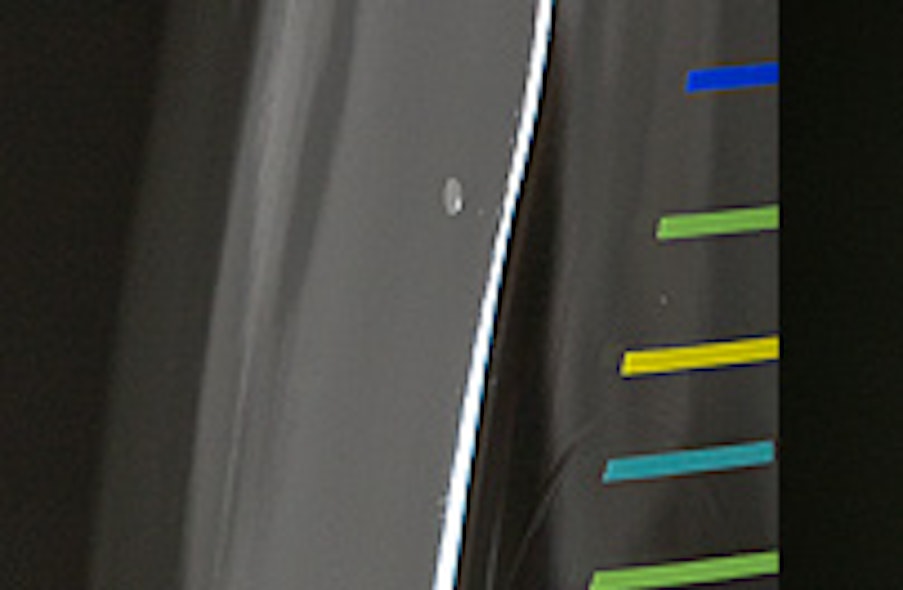
These are air bubbles that get in when the glass is rolled up. There may be several air bubbles in one bottle.
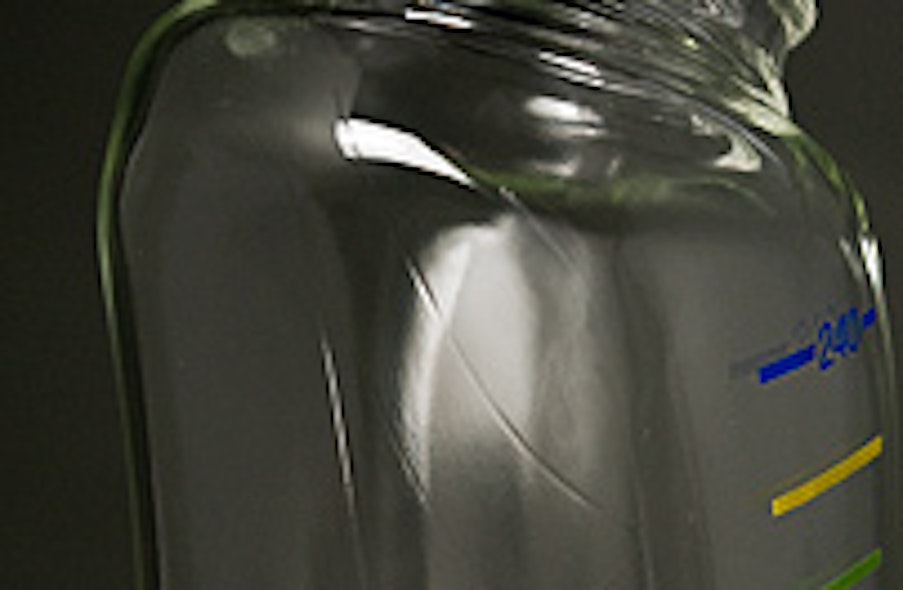
Streaks may appear when the glass is rolled up, and it may undulate significantly as it cools and hardens.
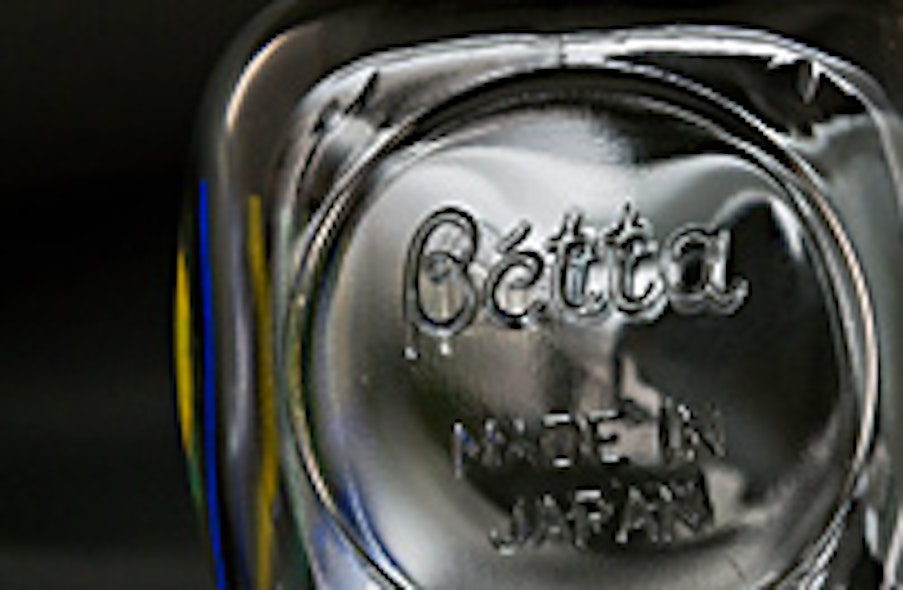
When you place a newly molded, soft bottle down, it may leave a mark on the bottom.

