

#53
How to Spend Time With Your Baby
~ Let's Play ~


Promoting Mental and Physical DevelopmentThrough Sensory Interaction With Mom and Dad
Babies bring so much joy when they are born, although they can become quite a handful to take care of.
As babies slowly mature, the fun times spent playing together with them should also increase.
However, there seems to be a surprising number of moms who are unsure of how to play with their babies.
With the rise of nuclear families, many moms may be dealing with a baby for their very first time and are understandably apprehensive when it comes to play.
It may surprise you to know that many of the things you naturally do in the day- to-day interactions with your baby become play for them.
Do you ever have moments when you feel like you are truly connected with your baby?
I believe there are many such moments in day-to-day life, such as when your eyes meet during breastfeeding, when they coo in response to a song you're singing, or when they squeeze your finger.
These daily interactions with mom and dad that engage the five senses (sight, hearing, smell, taste, and touch) allow babies to experience the human kindness and warmth that are so important to their development as people. This is a very important and vital process that serves as the foundation for building trust in others.
By using sensory play in your interactions, those stimuli are transmitted to the brain and have a positive impact on the development of things like sensory function, motor skills, and language ability.
When adults engage in sensory interactive play with babies in day-to-day life, such as by looking them in the eye when speaking to them, it stimulates their senses and promotes mental and physical development.


Anything in Daily Life Can Be a ToyPlay Leads to Growth
《 New born to around 3 months 》
A baby's senses are remarkably well developed. From birth, they are able to vaguely see objects 20-30 centimeters away, enjoy being spoken to in a slightly higher-pitched tones, and can even distinguish their mom's scent from those of others.
Babies adore their mom's smile, so they love it when you get up close and in slightly elevated tones, tell them things like “all clean now!” or “so close!” while staying mindful of how they're feeling.
After around one month, babies gain the ability to visually track objects with their eyes and gradually learn to move their heads from side to side, which helps them achieve head control. Try moving a colorful object in front of your baby's face slowly from side to side. Toys that make sounds are great for getting their attention.
After a month, when your baby is in a good mood, place them belly-down then get down in front of them so that you are face-to-face and talk with them. This too is a form of physical play.
Start with brief periods and never leave your baby in this position unsupervised by an adult.
《 Around 4-7 months 》
After around 4 months, babies gain head control and can move their heads freely, which instantly expands their world. They discover their hands, stare at them while slowly moving them, and bring them to their mouths. Before long, they become aware of their feet and begin to play with their own bodies. When reaching out for things that catch their interest, they learn to roll over. They even learn to plant their hands down in front of them and move their bottoms to sit.
Seat your baby on your lap facing you. Support them firmly under the armpits while rocking them gently down on their back and back up again while playfully vocalizing something like "up, down" as you do so.
On the way up, it can be fun to bring your face in close and say "boo!"
They may also start to enjoy playing peekaboo.
Cover your face and say "Peek-a-..." before pausing then revealing your face and quickly saying "...boo!" Babies will start getting excited in anticipation of this moment. This is likely around when they start to understand cause and effect. Just keep in mind that their attention spans only last a few seconds, so if you mistime it, their attention may wander to something else.
《 Around 8-11 months 》
Around this age, babies improve their balance, allowing them to do things such as sit unsupported and hold toys and play with both hands. They also start to crawl, grab onto things to stand themselves up, and walk while supporting themselves.
Hand control also improves, allowing them to grasp objects between their thumb and other fingers. They may do things like pick up tiny dust particles with their thumb and index finger and proudly show you.
They also begin to mimic adult pronunciation, using intonation to make sounds that resemble speech.
If you find them absorbed in solitary play, leave them be while keeping a gentle eye on them to nurture their sense of curiosity.
You may be wondering whether this counts as play.
But for babies—whether it be following moving objects with their eyes, exploring things with their mouths, or listening to the voices of mom or dad— everything counts as play.
This form of "play," where they get lots of interaction and stimulation from the people around them, leads to healthy growth.
Please keep in mind that, while I have included some things about baby development, these are to be considered only as general guidelines.
Needless to say, development varies from child to child, and there is no need to compare your baby with others. Each and every baby develops differently, and has their own unique interests and personality.
Engage in sensory play with your baby while keeping a careful eye on their movements and changes, what interests them, and what sort of things they like.
Although this doesn't apply only to playtime, always be mindful of safety. For babies, just about anything can pique their interest and become a toy, regardless of whether they are actual toys or everyday objects. Since they often lick things or put them in their mouths, many household items are hazards for choking or accidental ingestion.
Therefore, it's important to check your home for such hazards beforehand. Stay vigilant and be proactive to prevent accidents before they happen.
Spend time with your baby during this precious moment in their development and have fun playing in and exploring their world together.

Seeking feedback on
content and childcare issues
We are always looking for your concerns that you would like to see addressed in future issues of "Ask the Midwife". Please send us your opinions, impressions, and concerns about childcare using the inquiry form.Please feel free to contact us if you would like to receive a “Ask the Midwife” leaflet.
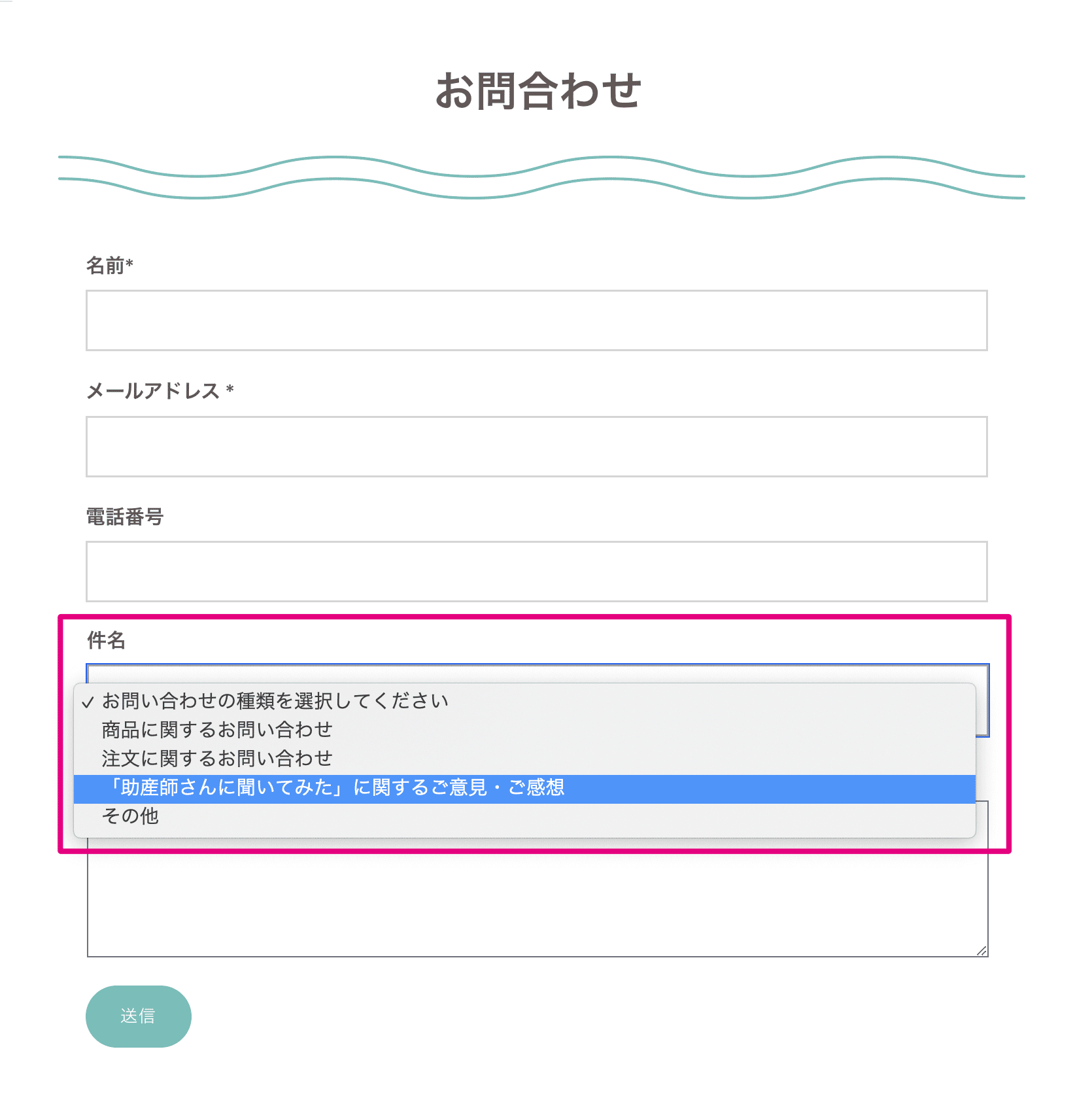
Please select your opinion or comment about "I asked midwife" in the subject field of the inquiry form, enter the content, and send it to us.
- ● We may contact you to confirm the contents.
- ● We cannot promise that we will reply to you or feature you in an article, etc.
Updated on the 2nd and 4th Thursday of each month
Next time... Thursday, January 22, 2026 Update
Enjoy!



Midwife Yoko Nambu
After graduating from Tokyo Medical and Dental University School of Nursing and obtaining a national nursing license, and graduating from the Japanese Red Cross School of Midwifery and obtaining a national midwifery license, she worked as a midwife in the obstetrics and gynecology ward of Tokyo Medical and Dental University Hospital, attending over 300 births and picking up babies. After that, she established "Toraube Inc.", a consultation office mainly for women's body. As a woman's ally, she provides consultation for problems at all ages. She believes that women should understand their own body as their own. She believes that this will lead to the solution of all problems and deals with them on a daily basis.
Her hobbies include traveling with her husband, listening to movies and music, and playing healthy mahjong.
What I want you to know from my experience
supporting many mothers as a midwife.


Blog where midwives attend to the anxieties many moms and dads have about raising their children

