

#50
How to Express Breast Milk

Today, we'll explain how to express and store breast milk to ensure your baby gets as much as possible.

Various Situations in Which Expressingand storing Breast Milk can be Useful
After giving birth, mothers have to care for their babies in many ways, and breastfeeding can be particularly challenging. Because breast milk is the most important thing for your baby, you want to use effective expression methods and store your breast milk instead of throwing it away.
Expressing and storing breast milk can be useful in a variety of situations, including the following:
- ○ Problems with your breasts or nipples make it difficult to breastfeed.
- ○ You are sick and breastfeeding is difficult.
- ○ The baby is hospitalized or sent to daycare, so you need to deliver breast milk.
- ○ You are out and can't breastfeed, so a family member feeds the baby instead.
- ○ You are sleep-deprived at night, so Dad feeds instead.
- ○ Your breasts are too engorged and the baby won't latch, so you express a little milk to soften the breast before feeding.
The above situations can happen to anyone. Even if there are no particular problems, you can leave your baby with someone else and go out to relax.


Expressing TechniquesYou'll Want to Master
Since most mothers have to figure out how to handle excess breast milk or how to express when they can’t nurse without having been properly taught, let’s make sure to master the methods below.
○ Expressing Methods ○
There are two ways to express milk: by hand or using a breast pump.
Manual Expression
- 1. Wash your hands thoroughly with soap before expressing.
- 2. Hold the breast milk storage pack in one hand, and with your other hand, place your thumb and index finger in a C-shape, pinching the outside of the areola.
- 3. Press from the outside of the areola toward the chest wall.
- 4. Gently press the nipple-areola area with your thumb and index finger repeatedly until milk begins to flow. Express rhythmically and place the milk into the storage pack.
- 5. Try to express evenly not just from one direction, but from the front, back, sides, and diagonally as well.
Breast Pump
Breast pumps are available in both manual and electric varieties.
- 1. Wash your hands thoroughly with soap before expressing.
- 2. Prepare a sterilized breast pump and container.
- 3. Sit in a chair or somewhere else and relax.
- 4. Place the breast pump cup snugly over the center of your breast.
- 5. Start by using a gentle suction to stimulate the flow, and once milk starts to flow, continue expressing at a pressure that suits you best.
Whether you're using your hand or a breast pump, it's important to be in a relaxed and comfortable position.


How to HandleStore and Thaw Expressed Breast Milk
Expressed breast milk can be stored in three ways: at room temperature, in the refrigerator, or frozen.
The lower the temperature, the longer the shelf life. However, the temperature fluctuations in a home freezer can cause the milk to lose its nutrients and quality, so use it as soon as possible.
○ Storage Method ○
Storing at Room Temperature
If you plan to feed your baby immediately after pumping, you can store it at room temperature.
For short-term storage, place it in a sterilized, capped bottle. However, if the room temperature exceeds 25°C, refrigerate it instead of storing it at room temperature.
For healthy babies, breast milk can be stored for up to six hours. However, for babies in the NICU (neonatal intensive care unit), the shelf life is shorter, at around four hours.
Storing in the Refrigerator
Expressed milk can be stored in the refrigerator (below 4°C).
To maintain hygiene, store it in a breast milk pack or dedicated container. When storing in the refrigerator, store it at the back where it is coldest, rather than near the door where the temperature changes most.
Considering the refrigerator environment, we recommend using it within 24 hours if possible.
Storing in the Freezer
If you want to store breast milk for a long period of time, store it in a freezer.
Store breast milk in freezer-safe breast milk bags. At temperatures below -18°C, it can last approximately three months. However, in a home refrigerator, frequent opening and closing can cause drastic temperature changes, which can easily alter the composition of breast milk. Storing breast milk near the front of the container can accelerate deterioration, especially since cold air can easily escape. Because of that, make sure to store it near the back.
〈 Caution 〉
There are a few things to keep in mind when storing breast milk.
First, do not store leftover or thawed breast milk.
Discard any leftover or thawed breast milk. Storing it in the refrigerator or freezer so as to not waste it can lead to bacterial growth. Also, avoid refreezing thawed breast milk.
Write the date and time on the storage bag. If you store multiple bags, it can be difficult to tell which is older. To avoid feeding breast milk that has expired, write the date on the storage bag before pumping.
○ How to Warm Stored Breast Milk ○
When Stored in a Refrigerator
Place the bottle filled with breast milk in a warm water bath below 40°C. The fat in breast milk will separate during storage, so gently shake the container from side to side to mix.
When Stored in a Freezer
After removing the storage bag from the freezer, transfer it to the refrigerator and leave it to thaw for approximately 12 hours.
However, if you're in a hurry, thaw the bag under running water or in a warm water bath below 40°C. To warm thawed breast milk to the appropriate temperature, place it in a bottle and warm it in warm water below 40°C. Using boiling water to warm the milk quickly will destroy the nutrients and immune system components in the breast milk. Avoid heating breast milk directly in a microwave or pot! We recommend using thawed breast milk as soon as possible.
Learning how to use expressed breast milk effectively will give you more free time and make parenting more enjoyable. We hope that husbands and family members will learn how to handle expressed breast milk and enjoy raising their babies together.

Seeking feedback on
content and childcare issues
We are always looking for your concerns that you would like to see addressed in future issues of "Ask the Midwife". Please send us your opinions, impressions, and concerns about childcare using the inquiry form.Please feel free to contact us if you would like to receive a “Ask the Midwife” leaflet.
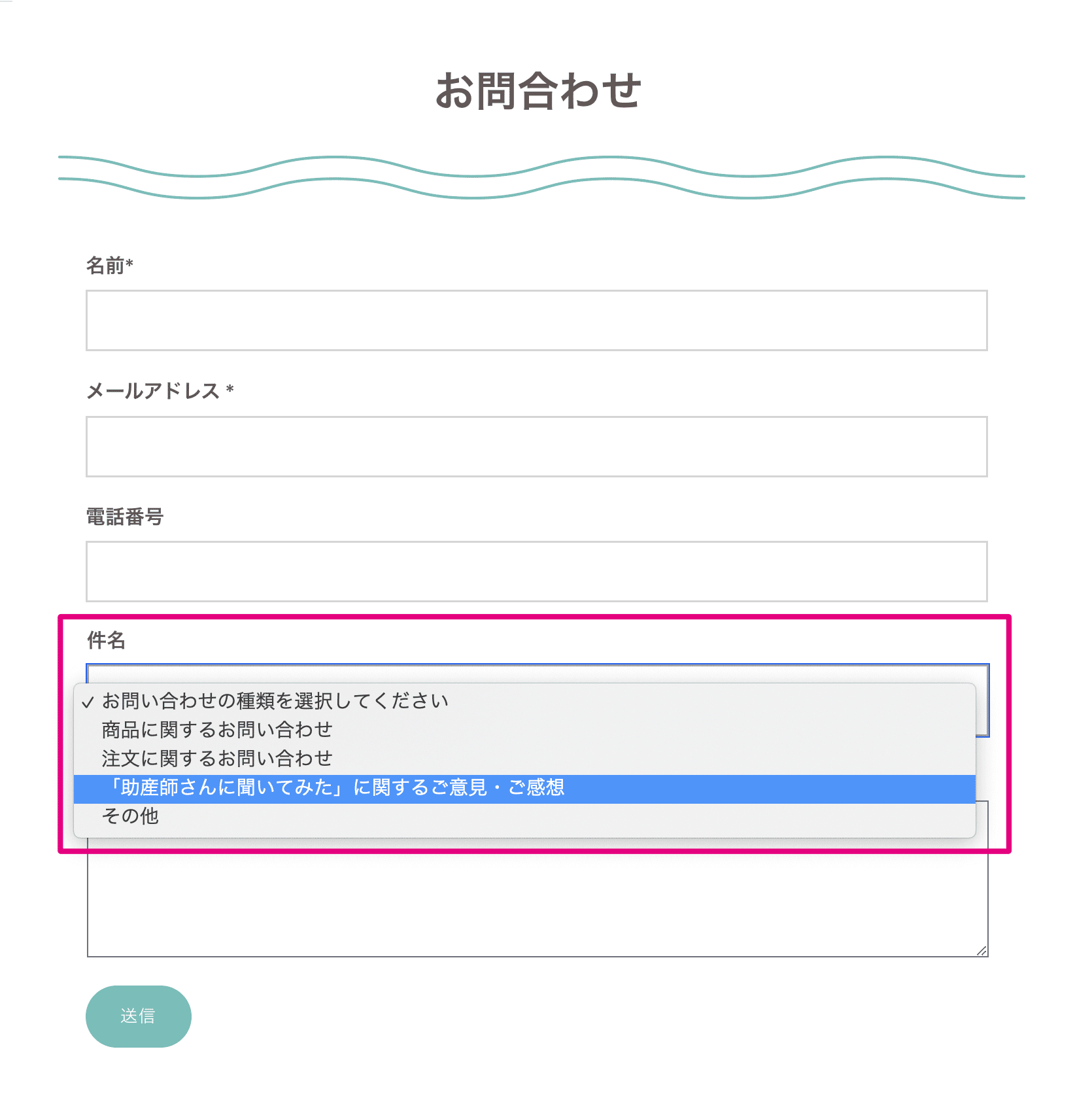
Please select your opinion or comment about "I asked midwife" in the subject field of the inquiry form, enter the content, and send it to us.
- ● We may contact you to confirm the contents.
- ● We cannot promise that we will reply to you or feature you in an article, etc.
Updated on the 2nd and 4th Thursday of each month
Next time... Thursday, December 11, 2025 Update
Enjoy!



Midwife Yoko Nambu
After graduating from Tokyo Medical and Dental University School of Nursing and obtaining a national nursing license, and graduating from the Japanese Red Cross School of Midwifery and obtaining a national midwifery license, she worked as a midwife in the obstetrics and gynecology ward of Tokyo Medical and Dental University Hospital, attending over 300 births and picking up babies. After that, she established "Toraube Inc.", a consultation office mainly for women's body. As a woman's ally, she provides consultation for problems at all ages. She believes that women should understand their own body as their own. She believes that this will lead to the solution of all problems and deals with them on a daily basis.
Her hobbies include traveling with her husband, listening to movies and music, and playing healthy mahjong.
What I want you to know from my experience
supporting many mothers as a midwife.


Blog where midwives attend to the anxieties many moms and dads have about raising their children

