

#41
Traditional Celebrations in Japan for a Baby


Traditional Celebrations in Japanfor a Baby’s Growth
In Japan, various traditional events are held to celebrate a baby’s growth. Let’s take a look at some of these celebrations.
〇 Oshichiya (Seventh Night Celebration): 7 Days After Birth
The tradition of celebrating “Oshichiya” dates back to the Heian period. In an era when many babies did not survive infancy, the seventh day after birth was seen as a major milestone. Families would reveal the baby’s name to relatives and pray for their health and safety, marking both the birth and the hope for continued growth.
If you want to follow the tradition precisely, the baby’s birthday is counted as Day 1, making the seventh day the day of celebration. However, there’s no strict rule that it must be held exactly on the seventh day. Mother and baby may still be in the hospital at that time. Today, it’s common to celebrate based on the family’s schedule.
It’s helpful to remember this as part of Japan’s traditional calendar customs.
〇 Omiyamairi (Shrine Visit): Around 31 to 33 Days After Birth
“Omiyamairi” is a traditional visit to a shrine to celebrate the baby’s birth and pray for their healthy growth.
Traditionally, boys are taken on the 31st day and girls on the 32nd day, but this can be adjusted to suit the family’s needs or a convenient day off.
Choose a time when both mother and baby are in good health.
The visit is typically made to the local guardian shrine (ujigami), and it can also serve as a thank-you visit for the safe delivery.
Customs can vary by region, but the core idea is to visit a nearby shrine as a family and pray for the child’s health and longevity.
There’s no rule that it must be done within a set number of months.
Some families avoid extreme heat in summer or the cold of winter. It’s common to go sometime within the baby’s first six months.
Traditionally, the baby is accompanied by both parents and the paternal grandparents, but it’s now also common for maternal grandparents to attend. The baby is dressed in special ceremonial clothing known as iwai-gi.
〇 Okuizome (First Meal Ceremony): Around 100 Days After Birth
“Okuizome” is held around the baby’s 100th day, symbolically feeding the child solid food with chopsticks for the first time. It’s meant to wish that the child will never lack food throughout life and will grow up strong.
It’s usually done around the 100th day but doesn’t have to be exact - schedule it to suit the baby’s health and the family’s availability.
There are no rules for location - it can be held at home, the grandparents’ house, or even at a restaurant. Some hotels and traditional Japanese restaurants offer special okuizome meal plans. Typically, the baby’s parents and both sets of grandparents attend.
One of the participants will take the role of “nourishing parent”, who mimics feeding the baby with chopsticks. Traditionally, this person is the eldest same- gender relative present (e.g., the grandfather for a boy, grandmother for a girl) to symbolize longevity.
The ceremonial meal is usually served in lacquerware, with red sets for boys and red-and-black for girls. At home, ordinary dishes may be used, but celebration chopsticks (iwaibashi) - used for auspicious occasions - are recommended.
The highlight is the “tooth-hardening ceremony” (hagatame-no-gi), symbolizing the wish for strong teeth. A tooth-hardening stone is used - often one given during the omiyamairi. If not, a small stone from the shrine or a riverbank may be used (make sure to return shrine stones afterward). In some regions, other symbolic items like octopus, chestnuts, walnuts, pickled plums, or red and white rice cakes may be used instead of stones.
〇 First Birthday (Hatsutanjo): 1 Year Old
A baby’s first birthday, called hatsutanjo, is a major milestone. A traditional practice is to celebrate with issho mochi - a rice cake weighing about 1.8 kg (an “issho”), symbolizing the wish that the child will never go hungry throughout life (“issho” also means “a lifetime”). The mochi is often carried on the baby’s back or stepped on in some regional customs.
〇 First Seasonal Festival (Hatsuzekku): Girls' Day and Boys' Day
A baby’s first Girls’ Day (March 3rd) is marked by displaying traditional dolls and holding a small celebration.
A baby’s first Boys’ Day (May 5th) is marked with carp streamers (koinobori) and samurai dolls.
If a baby is born too close to these dates - such as girls born in January or February or boys born in March or April - the celebration may be postponed by a year to allow proper preparation.
These events express the strong hopes of parents and families for a safe delivery and healthy upbringing.
Rather than being bound by tradition or formalities, the most important thing is to celebrate these milestones with gratitude toward those who support the child’s growth and care.

Seeking feedback on
content and childcare issues
We are always looking for your concerns that you would like to see addressed in future issues of "Ask the Midwife". Please send us your opinions, impressions, and concerns about childcare using the inquiry form.Please feel free to contact us if you would like to receive a “Ask the Midwife” leaflet.
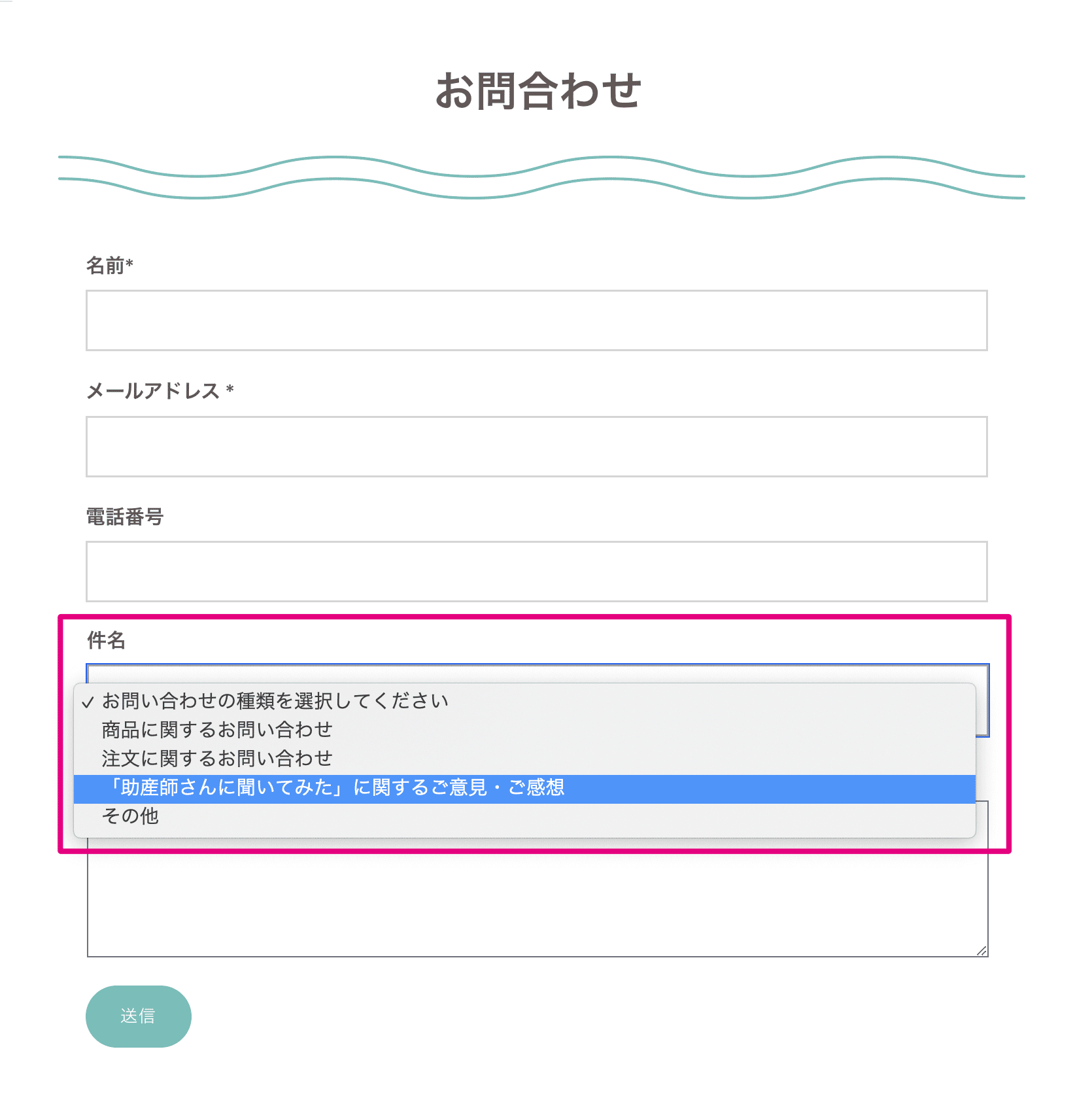
Please select your opinion or comment about "I asked midwife" in the subject field of the inquiry form, enter the content, and send it to us.
- ● We may contact you to confirm the contents.
- ● We cannot promise that we will reply to you or feature you in an article, etc.
Updated on the 2nd and 4th Thursday of each month
Next time... Thursday, July 24, 2025 Update
Enjoy!



Midwife Yoko Nambu
After graduating from Tokyo Medical and Dental University School of Nursing and obtaining a national nursing license, and graduating from the Japanese Red Cross School of Midwifery and obtaining a national midwifery license, she worked as a midwife in the obstetrics and gynecology ward of Tokyo Medical and Dental University Hospital, attending over 300 births and picking up babies. After that, she established "Toraube Inc.", a consultation office mainly for women's body. As a woman's ally, she provides consultation for problems at all ages. She believes that women should understand their own body as their own. She believes that this will lead to the solution of all problems and deals with them on a daily basis.
Her hobbies include traveling with her husband, listening to movies and music, and playing healthy mahjong.
What I want you to know from my experience
supporting many mothers as a midwife.


Blog where midwives attend to the anxieties many moms and dads have about raising their children

