

#43
About Water Breaking


What is Water Breaking?
Water breaking refers to the rupture of the amniotic sac that surrounds the baby in the mother's womb during pregnancy, causing the amniotic fluid inside to flow out.
The amniotic sac protects the baby in the womb, and the amniotic fluid inside plays various important roles, such as shielding the baby from external impacts, maintaining a constant body temperature, protecting against infections, and supporting fetal growth.
Typically, water breaking occurs after contractions have started and the cervix has dilated, but the timing varies from person to person. It can also happen before contractions begin, and it is one of the signs that labor is starting.
Water breaking can involve a large gush of amniotic fluid or a slow trickle that feels like urinary leakage.
Amniotic fluid is usually colorless, clear, or slightly cloudy. During pregnancy, increased vaginal discharge or urinary leakage can make it difficult to distinguish whether water has broken.
If unsure, try smelling it— amniotic fluid has a distinct, somewhat fishy odor that is noticeably different from the smell of urine.
The amount of fluid released during water breaking can range from a small to a large volume. Urinary leakage typically occurs in small amounts, enough to dampen underwear, and often happens when standing or due to abdominal pressure.
In contrast, water breaking involves fluid flowing out even without abdominal pressure. While contractions may start immediately after water breaking, this is not always the case.
Water breaking is categorized into several types based on when and where it occurs:
- 1. Timely Rupture of Membranes
This refers to water breaking naturally as labor progresses after contractions have begun.
It is the most common type of water breaking and occurs at an appropriate time during labor. As it is a natural progression, no special measures are usually required, and labor tends to proceed smoothly after the rupture. - 2. Premature Rupture of Membranes (PROM)
This occurs when the amniotic sac ruptures and water breaks before contractions start.
Water breaking typically happens after 37 weeks of pregnancy. If it occurs too early, contact the hospital immediately and seek medical attention. With PROM, bacteria can more easily enter the uterus, increasing the risk of infection for the fetus, so prompt medical care is crucial. - 3. High-Level Rupture
This occurs when the amniotic sac ruptures at a point far from the cervix.
It is a type of PROM, but since the amniotic fluid leaks slowly, it can be mistaken for urinary leakage or vaginal discharge. In some cases, it may go unnoticed, leading to delayed detection.
While a high-level rupture rarely results in the complete loss of amniotic fluid, reducing the impact on the fetus, there is still a risk of infection, so medical management at a hospital is necessary.


Acquiring the Right Knowledge for Birth Preparation:Handling and Progression After Water Breaking
If your water breaks, take the following steps promptly:
- 1. Change into clean underwear and use a clean, large sanitary pad.
- 2. Although water breaking can be uncomfortable, avoid taking baths or showers afterward, as this increases the risk of infection. Also, avoid using bidets.
- 3. Stay calm and contact the hospital immediately for instructions. If unsure, consult the hospital. Note the time your water broke and inform the hospital. Even if you are uncertain whether it is amniotic fluid, keep a record. It is helpful to note not only the time but also the circumstances, color, and odor of the fluid.
- 4. If traveling to the hospital by taxi or private car, lie down during the journey.
When using a taxi, it is advisable to register in advance for a maternity support taxi service. These taxis are driven by trained professionals and are equipped with emergency kits, providing greater peace of mind.
Avoid driving yourself in a private car. Have another family member drive instead. Lie down in the car with a plastic sheet and bath towel underneath.
If no transportation is available, consult the hospital about calling an ambulance.
The progression after water breaking varies greatly from person to person and can follow different patterns:
- 1. Monitoring Natural Progression
If water breaks after 38 weeks of pregnancy, contractions often start naturally, leading to labor, typically within 24 hours. - 2. Inducing Labor
If contractions do not begin within a certain period after water breaking, labor may be induced using medications. - 3. Possible Cesarean Section
Depending on the condition of the fetus and the mother, a cesarean section may be chosen. This is particularly applicable in cases of PROM with a high risk of infection or concerns about the fetus's condition. - 4. Management Before 37 Weeks (Preterm)
If water breaks during the preterm period, labor is not immediately induced. Instead, measures are taken to prevent infection and promote lung maturity in the baby, while the mother is monitored under hospital care.
Regardless of the type, water breaking indicates that birth is approaching. If you notice your water has broken, contact a medical facility promptly and follow their instructions.
Acquire the correct knowledge about water breaking to prepare for childbirth, and if it happens, respond calmly and appropriately.

Seeking feedback on
content and childcare issues
We are always looking for your concerns that you would like to see addressed in future issues of "Ask the Midwife". Please send us your opinions, impressions, and concerns about childcare using the inquiry form.Please feel free to contact us if you would like to receive a “Ask the Midwife” leaflet.
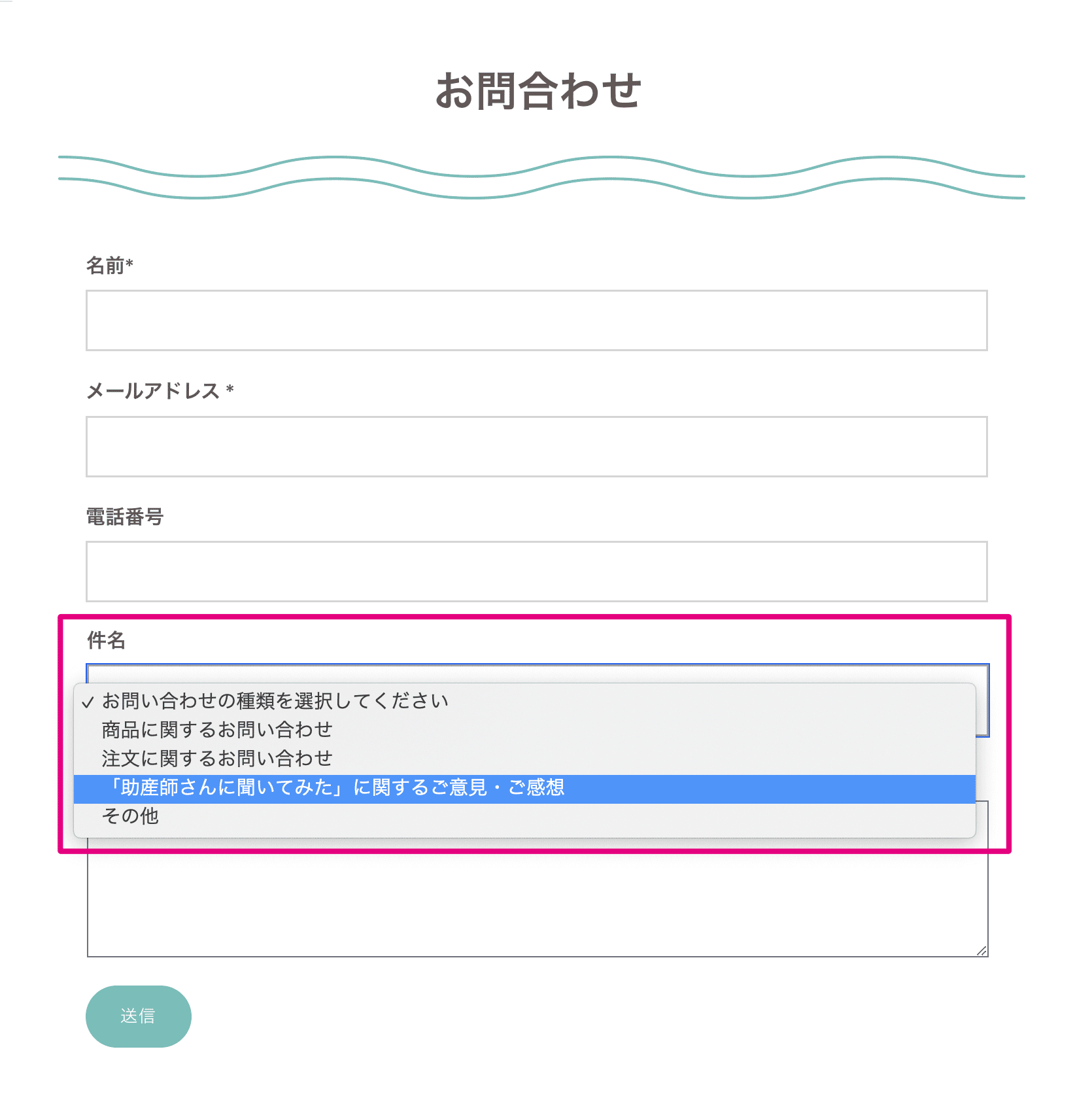
Please select your opinion or comment about "I asked midwife" in the subject field of the inquiry form, enter the content, and send it to us.
- ● We may contact you to confirm the contents.
- ● We cannot promise that we will reply to you or feature you in an article, etc.
Updated on the 2nd and 4th Thursday of each month
Next time... Thursday, August 28, 2025 Update
Enjoy!



Midwife Yoko Nambu
After graduating from Tokyo Medical and Dental University School of Nursing and obtaining a national nursing license, and graduating from the Japanese Red Cross School of Midwifery and obtaining a national midwifery license, she worked as a midwife in the obstetrics and gynecology ward of Tokyo Medical and Dental University Hospital, attending over 300 births and picking up babies. After that, she established "Toraube Inc.", a consultation office mainly for women's body. As a woman's ally, she provides consultation for problems at all ages. She believes that women should understand their own body as their own. She believes that this will lead to the solution of all problems and deals with them on a daily basis.
Her hobbies include traveling with her husband, listening to movies and music, and playing healthy mahjong.
What I want you to know from my experience
supporting many mothers as a midwife.


Blog where midwives attend to the anxieties many moms and dads have about raising their children

