

#44
Hormonal Changes During Pregnancy

A woman’s body undergoes major transformations through the experience of pregnancy and childbirth. One of these is hormonal balance, which not only changes during pregnancy but also has a significant impact after delivery. Let’s take a closer look at what these changes entail.

During pregnancySignificant changes in female hormone secretion
Did you know that female hormones are first produced in the ovaries? These hormones are responsible for growth as a woman and for maintaining reproductive functions. During pregnancy in particular, the amount of female hormone secretion changes dramatically.
- ● Human Chorionic Gonadotropin( hCG )
When a fertilized egg implants into the endometrium, the part that later becomes the placenta begins to secrete a hormone called human chorionic gonadotropin (hCG). Because hCG appears in maternal urine from around the 4th week of pregnancy, it is used for early pregnancy tests.
In early pregnancy, hCG stimulates the corpus luteum to produce the hormones estrogen and progesterone.
From around the 15th week of pregnancy, progesterone production shifts to the placenta, eliminating the need to stimulate the corpus luteum, and hCG levels gradually decrease.
Since hCG levels peak around the same time as morning sickness, this hormone is thought to be related to it. In the fetus, hCG stimulates the adrenal glands to secrete DHEA, which is used as a precursor for estrogen and helps maintain pregnancy from the mid-term onward. It also promotes testosterone production in the fetal testes. - ● Estrogen
Estrogen plays a role in maintaining pregnancy by enlarging the uterine muscles and increasing uterine blood flow. Toward the end of pregnancy, it gradually softens the cervix in preparation for labor. During pregnancy, it suppresses milk secretion, but after birth, when estrogen levels drop, this suppression is lifted, and breast milk production begins. - ● Progesterone
Progesterone functions similarly to estrogen but also has the role of suppressing ovulation during pregnancy. - ● Human Placental Lactogen
This hormone rises sharply in late pregnancy. Since the fetus requires significant growth at this stage, hPL reduces glucose uptake by the mother to prioritize glucose supply to the fetus. It also promotes carbohydrate breakdown for maternal nutrition, with anti-insulin effects.
A pregnant woman’s body undergoes many external and internal changes, but these are all preparations for childbirth.
In other words, changes such as the loosening of the pelvic girdle or expansion of the pelvic cavity, brought on by hormonal effects, are necessary for safe delivery.
During pregnancy, the placenta secretes estrogen and progesterone, but once the baby is born and the placenta is expelled, both hormones rapidly decrease.
On the other hand, after childbirth, secretion of prolactin (a pituitary hormone that stimulates the mammary glands) and oxytocin (which promotes milk ejection and helps the uterus return to its original size) increases significantly.


Immediately after childbirthChanges and impacts on the body
Right after childbirth, rapid hormonal fluctuations cause a variety of physical and emotional changes.
In particular, the sharp decline in estrogen is believed to be a cause of “baby blues” and postpartum depression.
Since estrogen normally helps maintain skin elasticity and moisture, its reduction can also lead to dryness, wrinkles, and sagging, making the skin more prone to trouble.
〈 The Irritable Phase 〉
When the body cannot adapt to sudden hormonal changes after childbirth, the autonomic nervous system becomes imbalanced, leading to unstable mental states. As a result, mothers may feel irritable over small things, or suddenly become sad or anxious.
This state is sometimes referred to as “The Irritable Phase.”
It often occurs during the first 1–3 months after childbirth, when mothers may become aggressive or find it difficult to control their emotions.
This is thought to be a natural defensive instinct in animals—“to protect the child.”
However, with recovery from childbirth incomplete, childcare continues around the clock, leading to fatigue, sleep deprivation, and a lack of personal time. These conditions contribute to irritability.
First-time mothers or those with insufficient support often feel stronger responsibilities and anxieties about the future, which can worsen the symptoms.
〈 Increased Hair Loss 〉
Estrogen and progesterone help maintain hair growth, but after childbirth, their sharp decline can cause significant shedding all at once.
〈 Trouble Falling Asleep 〉
Hormonal imbalance affects the quality and rhythm of sleep, sometimes making it hard to fall asleep even when tired. Frequent nighttime feedings and caregiving interrupt rest, leaving both body and mind tense. As a result, postpartum fatigue lingers, and short rests are not enough for recovery.
〈 Urinary Leakage 〉
Childbirth weakens the pelvic floor muscles that support the uterus and bladder, and stretches the muscles and nerves around the urethra, making urinary leakage more likely.
〈 Concerns in the Delicate Zone 〉
Just like with general skin dryness, the delicate zone also becomes prone to dryness after childbirth.
Since postpartum bleeding requires wearing sanitary pads for some time, friction and irritation can lead to itching, stinging, and darkening of the skin in the area.
The most dramatic hormonal imbalance affecting mind and body occurs around 3–5 days after childbirth. Once this peak passes, mental instability gradually subsides.
By around one month postpartum, mothers typically adjust to life with their baby. By about three months, they become accustomed to baby care, and by five to six months, with the start of weaning, the baby often sleeps longer stretches at night.


After childbirthBalancing hormones
No matter how smooth or short a delivery is compared to the average, the mother’s body still sustains damage. The period of recovery to pre-pregnancy condition is called the puerperium. During the 6–8 weeks after childbirth, rest should be prioritized.
Overexertion during this time can prolong hormonal imbalance and negatively impact long-term health.
It is important for mothers to be aware of the hormonal changes happening within their own bodies as they go through pregnancy, childbirth, and the puerperium.
Next time, let’s talk about how to spend the postpartum period.

Seeking feedback on
content and childcare issues
We are always looking for your concerns that you would like to see addressed in future issues of "Ask the Midwife". Please send us your opinions, impressions, and concerns about childcare using the inquiry form.Please feel free to contact us if you would like to receive a “Ask the Midwife” leaflet.
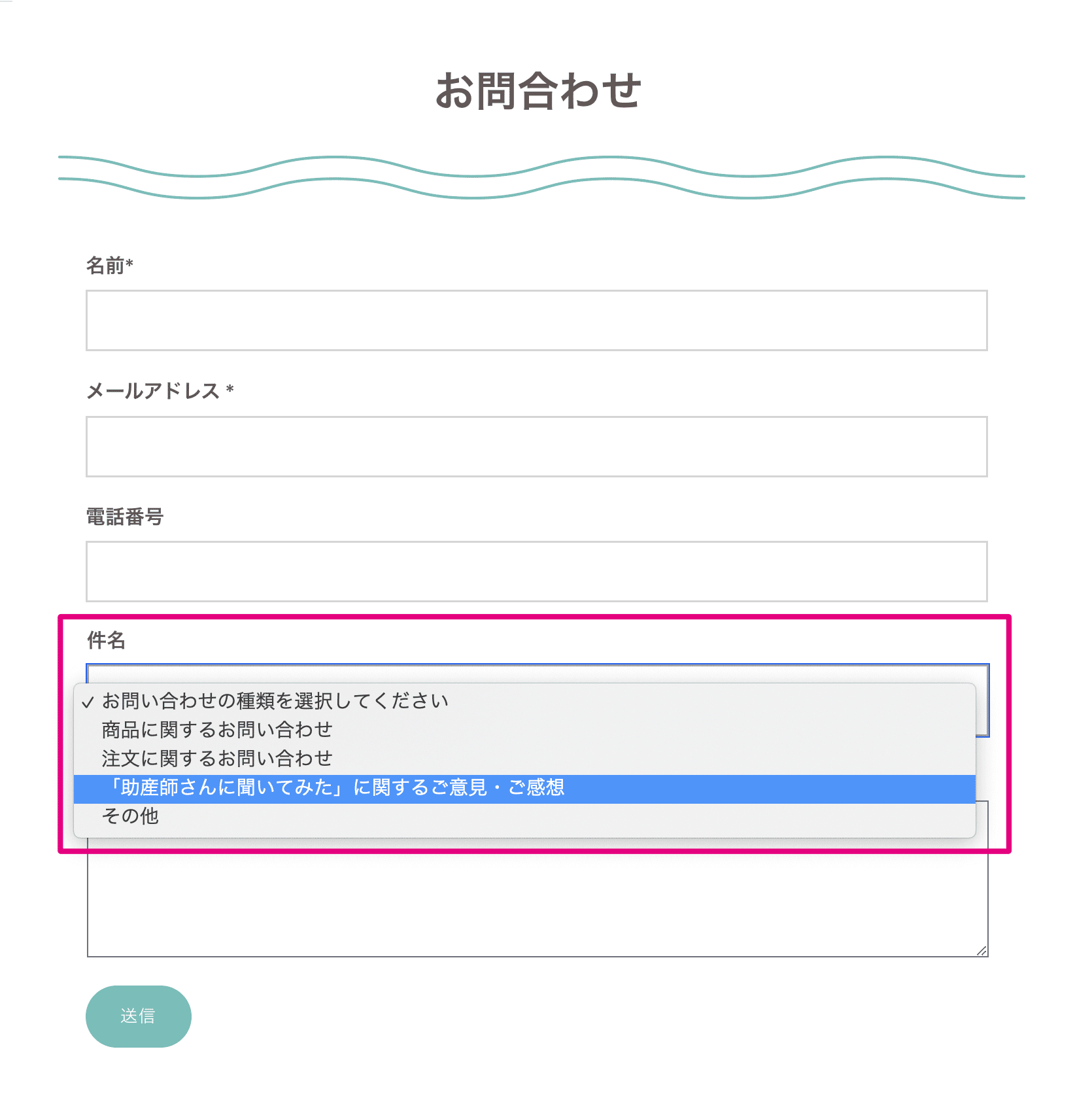
Please select your opinion or comment about "I asked midwife" in the subject field of the inquiry form, enter the content, and send it to us.
- ● We may contact you to confirm the contents.
- ● We cannot promise that we will reply to you or feature you in an article, etc.
Updated on the 2nd and 4th Thursday of each month
Next time... Thursday, September 11, 2025 Update
Enjoy!



Midwife Yoko Nambu
After graduating from Tokyo Medical and Dental University School of Nursing and obtaining a national nursing license, and graduating from the Japanese Red Cross School of Midwifery and obtaining a national midwifery license, she worked as a midwife in the obstetrics and gynecology ward of Tokyo Medical and Dental University Hospital, attending over 300 births and picking up babies. After that, she established "Toraube Inc.", a consultation office mainly for women's body. As a woman's ally, she provides consultation for problems at all ages. She believes that women should understand their own body as their own. She believes that this will lead to the solution of all problems and deals with them on a daily basis.
Her hobbies include traveling with her husband, listening to movies and music, and playing healthy mahjong.
What I want you to know from my experience
supporting many mothers as a midwife.


Blog where midwives attend to the anxieties many moms and dads have about raising their children

