

#45
Postpartum Hormonal Balance and Lifestyle

In article #44, we covered hormonal changes during pregnancy.
Now, we’ll look at how to handle the postpartum period and the significant changes that come with it.

The Impact ofDrastic Postpartum Hormonal Changes
The drastic hormonal shifts after childbirth can make new mothers more prone to various physical and mental health issues.
Understanding these changes is essential for a healthy postpartum recovery.
During pregnancy, the placenta produces high levels of the hormones estrogen and progesterone.
After childbirth, however, the placenta is delivered and these hormone levels plummet. Meanwhile, the body ramps up production of other key hormones: prolactin stimulates milk production, while oxytocin helps with milk let-down and encourages the uterus to contract back to its pre-pregnancy size.
This dramatic hormonal shift right after birth has a wide range of effects on the body.
We covered the accompanying physical and mental changes in our last article, "#44: Hormonal Changes During Pregnancy," so be sure to check it out for more details.


Lifestyle Habits forRestoring Postpartum Hormonal Balance
Here are some lifestyle habits to help you rebalance your hormones. The key is to start with what feels manageable and to avoid pushing yourself.
The first six to eight weeks after childbirth is known as the postpartum period. How you spend this time can impact your long-term health, so it's crucial not to overdo it. You might feel energetic and think you can handle anything, but it's vital to spend this period resting as much as possible.
During the first one to three weeks, your body is still recovering from the significant toll of childbirth. Try to delegate everything to others, except for essential baby care like feeding.
Make it a priority to lie down as often as you can and to rest whenever the baby is asleep.
If getting help from family or friends is difficult, it’s a good idea to look into options like meal delivery or professional postpartum services ahead of time.
〈 Weeks 3–4 〉
Your energy may be slowly returning, but you'll likely find it hard to get uninterrupted sleep as the exhaustion from childcare starts to accumulate.
Start easing back into your routine with light housework, but be sure to listen to your body and not push it.
Don't aim for your pre-pregnancy housekeeping standards; to reduce the physical strain, rely on convenient shortcuts like simple, ready-to-eat meals.
Try going for short walks around the neighborhood with the baby. The fresh air can feel great and is also good for stimulating their senses.
〈 Weeks 5–8 〉
By your one-month postpartum checkup, you'll probably feel like you've made significant progress in your recovery, both physically and mentally.
However, remember it can take anywhere from three months to a year to fully get back to your pre-pregnancy state, so it’s essential not to overdo it. Keep leaning on your family for support, pay attention to how you feel, and make sure you're resting whenever you can between baby care and chores.


Prioritize Your Recovery:Focus on Diet and Sleep
〈 A Balanced Diet 〉
Eating a balanced diet is crucial for helping your hormones rebalance after childbirth.
For a while after birth, your body can easily become depleted of nutrients like protein, iron, and vitamins. Focus on eating three complete meals a day, making sure to include protein sources like meat, fish, eggs, and soy products, as well as plenty of vegetables.
〈 Getting Enough Sleep 〉
The dramatic hormonal shifts can leave you feeling exhausted but still unable to sleep. Your hormones will gradually rebalance on their own, so try not to worry too much.
However, if you consistently can't sleep even when you have the chance, it could be a sign of postpartum depression, so it's important to speak with a healthcare provider.
Newborns don't distinguish between day and night, so try to create a routine and stick to a regular schedule for yourself as much as you can.
After childbirth, you may experience physical and mental health issues that are beyond your control. Additionally, overexertion in childcare and housework can lead to or worsen these conditions.
Above all, make your own physical recovery the top priority. Raising a child isn’t a one-person job. Don’t try to do it all yourself. Lean on those around you for support. Talk to them about how you’re feeling and any anxieties you have. The most important thing is to ask for help early on. Continuing to push yourself too hard can lead to postpartum depression, at which point it can become impossible to even ask for help. If you feel any anxiety, talk to someone right away. If you have family or friends you can rely on, have a conversation with them before the baby arrives so you can easily ask for their help later.
If you don't have family or friends to rely on, reach out to support services at the hospital where you delivered or at a local public health center. They not only provide support tailored to your needs and ongoing follow-up, but can also give you information and referrals for other available services. This will connect you to a wider network of childcare support and help you parent with more confidence.

Seeking feedback on
content and childcare issues
We are always looking for your concerns that you would like to see addressed in future issues of "Ask the Midwife". Please send us your opinions, impressions, and concerns about childcare using the inquiry form.Please feel free to contact us if you would like to receive a “Ask the Midwife” leaflet.
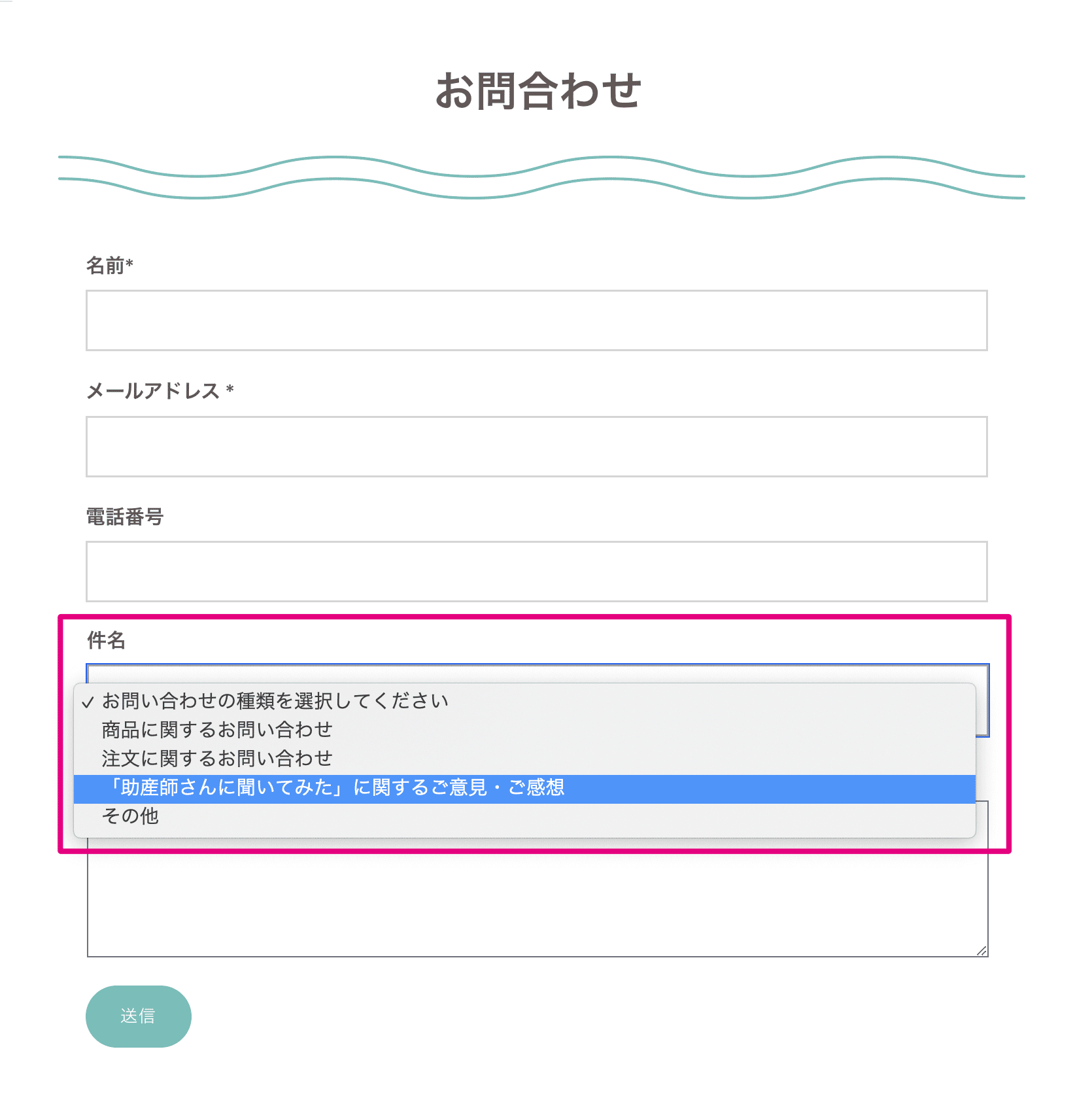
Please select your opinion or comment about "I asked midwife" in the subject field of the inquiry form, enter the content, and send it to us.
- ● We may contact you to confirm the contents.
- ● We cannot promise that we will reply to you or feature you in an article, etc.
Updated on the 2nd and 4th Thursday of each month
Next time... Thursday, September 25, 2025 Update
Enjoy!



Midwife Yoko Nambu
After graduating from Tokyo Medical and Dental University School of Nursing and obtaining a national nursing license, and graduating from the Japanese Red Cross School of Midwifery and obtaining a national midwifery license, she worked as a midwife in the obstetrics and gynecology ward of Tokyo Medical and Dental University Hospital, attending over 300 births and picking up babies. After that, she established "Toraube Inc.", a consultation office mainly for women's body. As a woman's ally, she provides consultation for problems at all ages. She believes that women should understand their own body as their own. She believes that this will lead to the solution of all problems and deals with them on a daily basis.
Her hobbies include traveling with her husband, listening to movies and music, and playing healthy mahjong.
What I want you to know from my experience
supporting many mothers as a midwife.


Blog where midwives attend to the anxieties many moms and dads have about raising their children

