

#54
Breast Care for Breast Milk Production

There are a surprising number of new mothers who feel anxious about whether they can breastfeed their babies after they're born.
Some may feel anxious as they wonder, "Will I be able to produce enough breast milk?" or "Can I get up multiple times in the night to breastfeed?", while others may have even more modest hopes, thinking, "It'd be great if I can produce any breast milk at all!"
However, the truth is that every woman's body is prepared to produce milk when she becomes pregnant. Therefore, I would like to share some key points about preparing for and supporting breastfeeding to help maximize this innate ability.

Physical Changes of PregnancyThat Naturally Stimulate Breast Milk Production
〇 Breast milk production
The amount of breast milk produced is not determined by breast size or body type. Breast size is influenced by fatty tissues and does not directly affect breast milk production. Even for smaller breasts, the foundational components for breast milk begin accumulating around the start of the fourth month of pregnancy, initiating the production of colostrum — which contains vital immune substances for the baby. Throughout pregnancy, hormonal changes cause the mammary glands, which are the milk- producing factories, to develop in preparation for postpartum milk production.
In this way, women's bodies prepare to produce breast milk by naturally developing the capacity to breastfeed in response to the physical changes of pregnancy.
〇 About nipples and areolae
When I ask pregnant women if they have ever really looked at their breasts and nipples, there are a surprising number of them who say, "I've never looked at them!" As the first step in preparing to breastfeed, try observing your own breasts and nipples during your pregnancy.
Generally, breast size as well as nipple shape and size do not necessarily affect breastfeeding. For a baby to latch on and suckle effectively, various factors play a role — not just nipple shape, size, or elasticity, but also how the baby is held and how the baby suckles.
In cases of inverted nipples, where the nipple is retracted into the breast, or flat nipples, where the nipple is nearly flush with the areola, it can sometimes be difficult for the baby to latch onto the nipple. However, even if such nipple shapes are present during the early stages of pregnancy, they often naturally protrude with minimal stimulation as pregnancy progresses. After giving birth, the baby's suckling can also make nipples more prominent and easier to latch onto.
Every mother wants her breasts to be easy for her baby to latch onto. For a baby, that means a soft, elastic nipple. If the nipple is hard, the baby needs to use more strength to suckle, which tires them out. Babies take not just the
nipple but the entire areola into their mouth, coaxing the milk out with their tongue. Therefore, it's best to care for your breasts so that both the nipple and the areola become soft.
After observing your own breasts and nipples, be sure to have a midwife at your care facility examine them as well. You will receive advice that will help you get an idea of what breastfeeding after childbirth is like.


It's Important Not to Put Too Much Pressure on YourselfPreparing for Breastfeeding
〇 Nipple care
If secretions like breast milk or lint from clothing appear to be stuck to the nipple tip, apply a cotton pad soaked in olive oil or a similar oil to the nipple about an hour before bathing, and gently wash the nipple after it has softened. However, nipple care stimulates the secretion of hormones that cause uterine contractions, so it should only be done after entering the stable period of pregnancy (typically after the fifth month or pregnancy). If you experience bloating or have been instructed by your doctor to rest, it is advisable to consult your doctor or midwife before proceeding.
You may have also heard from other mothers that their nipples cracked.
If you experience pain from cracked nipples, simply checking your baby's positioning and how they latch on can often improve the situation. While dryness can make nipples more prone to cracking, the areola naturally secretes fluid from Montgomery glands (small sebaceous glands in the areola). This fluid protects the skin and helps prevent bacterial growth. Avoid wiping your nipples with alcohol swabs when breastfeeding, as this can cause dryness.
You can gently apply moisturizing cream if you are concerned about dryness.
With so many first-time experiences, you're bound to feel anxious and worried about a lot of things.
It's good for your peace of mind to prepare an environment where you can focus on childcare, especially during the first month or so after birth, before you give birth. It's also important to visualize what life will be like, from pregnancy through to after birth, and ensure that you have support. While it's essential to gain your partner's understanding, it's also reassuring to check with your local healthcare center or similar facility to see if a breastfeeding specialist is available near you. Of course, you should do some research during pregnancy about whether the place where you will be giving birth can provide follow-up support.
What I'd like to tell everyone is that breastfeeding doesn't mean that you have to feed your baby exclusively on breast milk. Even if you can give your baby a little breast milk for a short period, that is still wonderful "breastfeeding".
Not overthinking things and not putting too much pressure on yourself during pregnancy is also very important for breastfeeding.

Seeking feedback on
content and childcare issues
We are always looking for your concerns that you would like to see addressed in future issues of "Ask the Midwife". Please send us your opinions, impressions, and concerns about childcare using the inquiry form.Please feel free to contact us if you would like to receive a “Ask the Midwife” leaflet.
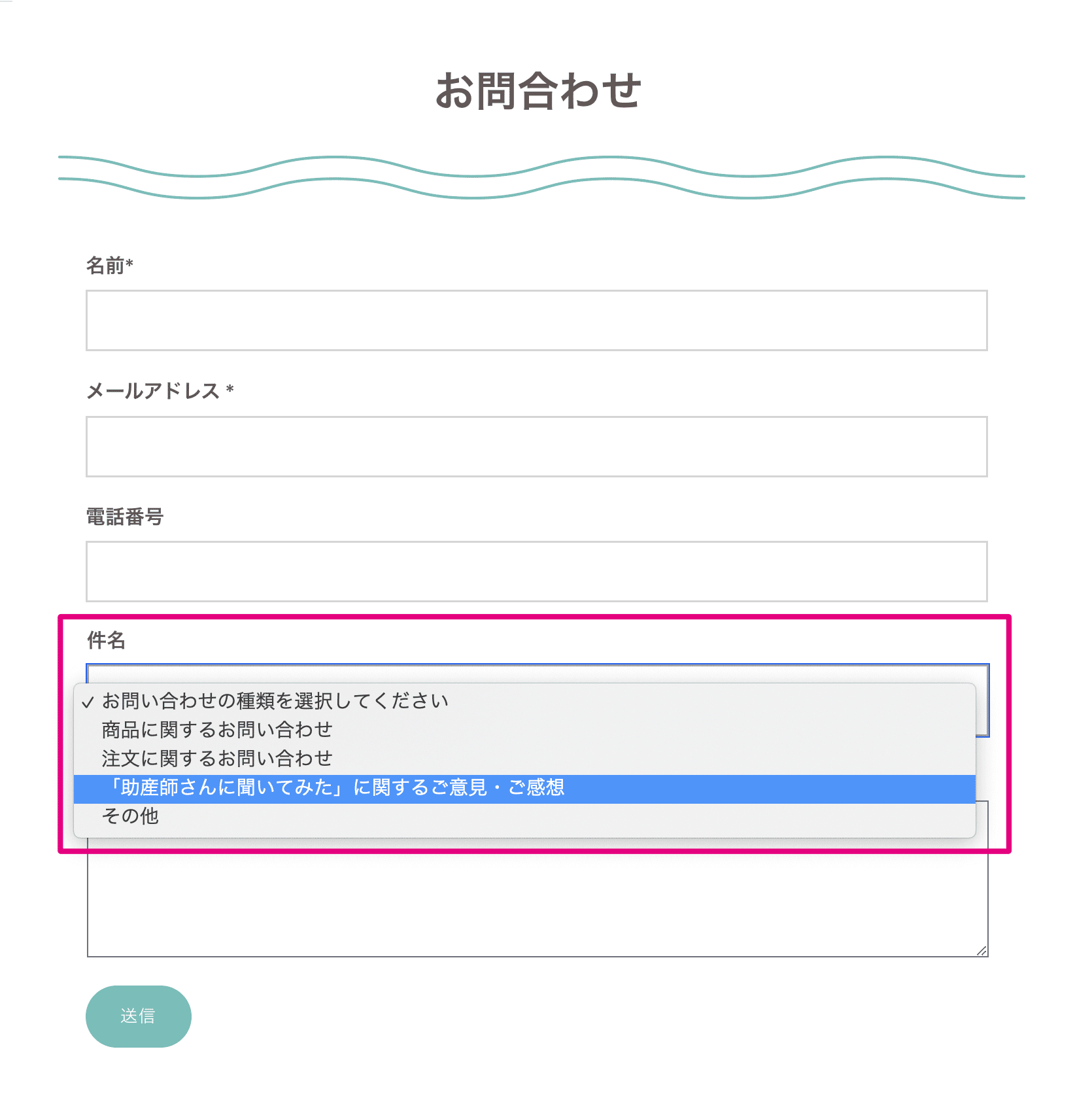
Please select your opinion or comment about "I asked midwife" in the subject field of the inquiry form, enter the content, and send it to us.
- ● We may contact you to confirm the contents.
- ● We cannot promise that we will reply to you or feature you in an article, etc.
Updated on the 2nd and 4th Thursday of each month
Next time... Thursday, February 12, 2026 Update
Enjoy!



Midwife Yoko Nambu
After graduating from Tokyo Medical and Dental University School of Nursing and obtaining a national nursing license, and graduating from the Japanese Red Cross School of Midwifery and obtaining a national midwifery license, she worked as a midwife in the obstetrics and gynecology ward of Tokyo Medical and Dental University Hospital, attending over 300 births and picking up babies. After that, she established "Toraube Inc.", a consultation office mainly for women's body. As a woman's ally, she provides consultation for problems at all ages. She believes that women should understand their own body as their own. She believes that this will lead to the solution of all problems and deals with them on a daily basis.
Her hobbies include traveling with her husband, listening to movies and music, and playing healthy mahjong.
What I want you to know from my experience
supporting many mothers as a midwife.


Blog where midwives attend to the anxieties many moms and dads have about raising their children

