

#51
The Importance of Sunbathing


Before SunbathingStart with Fresh Air
Lately, you may often hear that "UV rays in sunlight damage the skin." However, from a health perspective, sunlight is essential—especially for pregnant women and babies.
Vitamin D is necessary for a baby's bone growth, but it is not effective unless converted into active Vitamin D by exposure to ultraviolet (UV) rays.
Moderate sunbathing is necessary to boost immunity and build a healthy body.
However, since one-month-old babies have weak immune systems, you should start with "fresh air bathing" before moving on to sunbathing.
Fresh air bathing means getting the baby accustomed to outdoor air while remaining indoors.
It is best to start fresh air bathing around two weeks of age, and sunbathing around one month of age.
To start fresh air bathing, open a window and let the baby feel the gentle breeze and soft light coming from outside. Start with about 10 to 15 minutes a day, ideally between 8:00 a.m. and 10:00 a.m. when UV levels are low. As the baby gets used to it, you can gradually increase the time.
Once the baby is used to fresh air bathing, you can begin sunbathing. However, start by exposing them to outdoor light while avoiding direct sunlight. Once they are accustomed to this, choose days with weak sunlight and gradually spend a little time on the balcony or in the yard.


Moderate UV Exposure is KeyBenefits of Sunbathing:
○ Helps Regulate the Internal Body Clock
Babies who have just emerged from the womb cannot yet distinguish between day and night. Stimulation from outside air and light helps the internal body clock start functioning. Therefore, try to establish a habit of spending mornings and afternoons in a bright environment, and nights in a quiet, dark environment.
From around two to three months of age, the secretion of melatonin—a hormone that acts on the biological clock to induce drowsiness—increases at night.
Exposure to UV rays after waking in the morning is said to increase melatonin secretion at night, leading to better sleep. Therefore, morning is the recommended time for sunbathing.
○ Production of Vitamin D
Vitamin D helps the body absorb calcium, which is necessary for bone growth, and ensures normal bone development. It is an essential nutrient for babies; a
deficiency can lead to rickets.
Although Vitamin D can be obtained from food, getting moderate sun exposure is important to synthesize the Vitamin D essential for bone growth.
However, excessive exposure can cause adverse health effects, so avoid playing outside for long periods when UV levels are strong (10:00 a.m. to 2:00 p.m.).
〈 Precautions 〉
A baby's skin is thinner and more delicate than an adult's.
The UV rays in sunlight can be too harsh for a newborn's skin and cause damage, so be very careful not to expose them to direct sunlight.
Babies have active metabolisms, so fresh air bathing and sunbathing consume energy. Be sure to give them plenty of breast milk or formula afterward.
There is no need to force it if the baby has just woken up or is in a bad mood.
It is best to do this when both the baby and Mom are in a good mood.


Sunbathing's Role inProducing Vitamin D
Sun exposure produces Vitamin D, which promotes calcium absorption from the intestines and strengthens bones.
In fact, the Vitamin D content in breast milk is lower than in formula, so breastfed babies are at a higher risk of Vitamin D deficiency.
Studies on Vitamin D deficiency in breastfed babies show a roughly 2.5-fold difference between babies who sunbathe and those who do not.
There are also reports that Vitamin D deficiency worsens allergy symptoms.
Thus, moderate sunbathing is also important for suppressing the onset of allergies.
Vitamin D is a crucial nutrient for bone calcium metabolism. While it is abundant in fish, egg yolks, and mushrooms, it is also known to be synthesized in the skin through sunlight exposure.
Vitamin D deficiency was once thought to be rare outside of Northern Europe (where daylight hours are short) or in cultures where covering the skin is customary. However, recent lifestyle changes have made it increasingly common in advanced nations.
Vitamin D deficiency in pregnant women is also becoming a concern in Japan. Compared to the past, Vitamin D intake has decreased due to a shift toward Western diets with less fish, fewer opportunities to go outdoors, and an increase in women using excessive UV protection.
If a pregnant woman is chronically deficient in Vitamin D, the risks of premature birth, pregnancy-induced hypertension syndrome, gestational diabetes, and craniotabes in the baby increase.
Craniotabes is a condition where the baby's skull becomes partially thin and soft. If you press it with your finger, you can feel it yield like a ping-pong ball.
In many cases, it improves naturally by two to three months of age, but some cases are related to Vitamin D deficiency and may require oral treatment.
Depletion of the ozone layer has increased the amount of UV radiation reaching the ground, raising concerns about the adverse health effects of UV rays.
However, excessively avoiding UV rays by using sunscreen can result in Vitamin D deficiency and illness.
It is necessary to get moderate sunlight to produce Vitamin D.
Try to incorporate fresh air bathing and sunbathing into your daily rhythm— serving as a refreshing change of pace for both Mom and baby—to help you sleep well at night, stay active during the day, and maintain a healthy body and mind.

Seeking feedback on
content and childcare issues
We are always looking for your concerns that you would like to see addressed in future issues of "Ask the Midwife". Please send us your opinions, impressions, and concerns about childcare using the inquiry form.Please feel free to contact us if you would like to receive a “Ask the Midwife” leaflet.
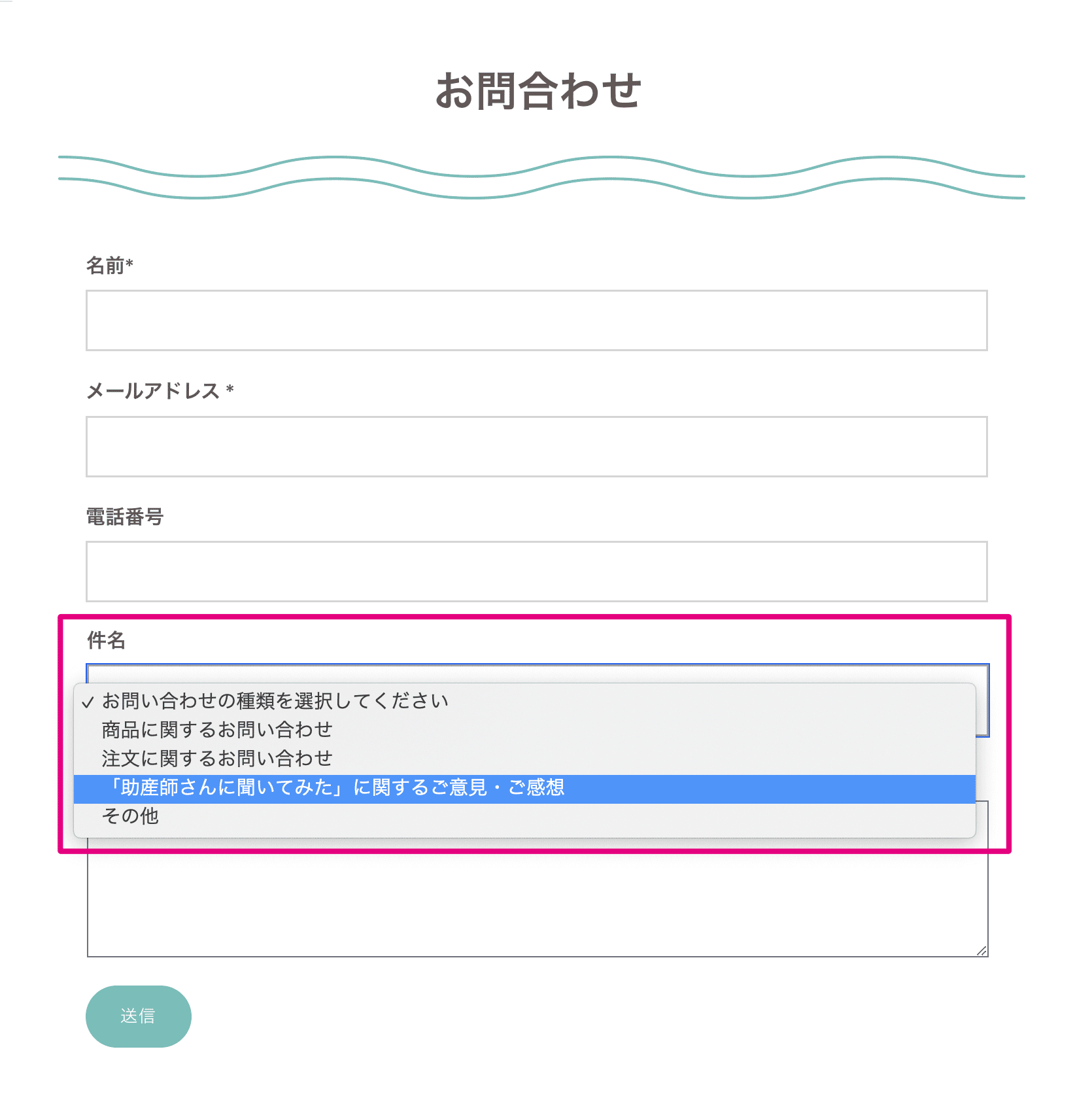
Please select your opinion or comment about "I asked midwife" in the subject field of the inquiry form, enter the content, and send it to us.
- ● We may contact you to confirm the contents.
- ● We cannot promise that we will reply to you or feature you in an article, etc.
Updated on the 2nd and 4th Thursday of each month
Next time... Thursday, December 25, 2025 Update
Enjoy!



Midwife Yoko Nambu
After graduating from Tokyo Medical and Dental University School of Nursing and obtaining a national nursing license, and graduating from the Japanese Red Cross School of Midwifery and obtaining a national midwifery license, she worked as a midwife in the obstetrics and gynecology ward of Tokyo Medical and Dental University Hospital, attending over 300 births and picking up babies. After that, she established "Toraube Inc.", a consultation office mainly for women's body. As a woman's ally, she provides consultation for problems at all ages. She believes that women should understand their own body as their own. She believes that this will lead to the solution of all problems and deals with them on a daily basis.
Her hobbies include traveling with her husband, listening to movies and music, and playing healthy mahjong.
What I want you to know from my experience
supporting many mothers as a midwife.


Blog where midwives attend to the anxieties many moms and dads have about raising their children

