

#57
Parenting Then and Now 1


ParentingThen and Now
I sometimes hear people saying things like, "After my baby was born, I asked
my mother back home for help, but she gave me advice that was different from what I learned at the hospital, and we ended up arguing!"
I've also heard of people trying to help out with their grandchild after becoming a grandmother, only to be told, "Don't interfere with how I care for my child, just give us money!"
What exactly has changed between parenting then and parenting now?
I'd like to talk about this in a two-part series.
Before we begin, are you familiar with the book "Dr. Spock's Baby and Child Care"?
This book became popular worldwide after World War II, and it also gained widespread recognition in Japan as a "childcare method that helps foster independence".
It included statements such as:
- ● Don't hold your baby every time they cry
- ● If they get used to being held, they'll cry for attention
- ● Co-sleeping hinders independence, so put them in a separate room at night and let them sleep alone
Dr. Spock himself later acknowledged these statements to be erroneous, but they led to parenting lacking in affection — which is harmful.
The parenting method where a grandmother would steel their hearts and leave a baby alone in a room, even if they cried and screamed, feels somehow sad now.
Keeping such examples in mind, let's look at the differences between parenting then and parenting now.


Grandmothers who raised children the hard wayMothers' biggest source of support
In this article, we will be covering eight points.
1. Bathing
In the past, babies were bathed immediately after they were born, and then bathed daily at the hospital until they were discharged.
Nowadays, to prevent the baby's body temperature from dropping and to preserve the barrier function of their skin, they are only wiped down immediately after birth instead of being bathed. After that, practices vary by hospital — some bathe babies only when they are discharged, and some don't bathe babies at all during their stay.
2. Breastfeeding methods
In the past, mothers kept track of the time and breastfed every three hours.
Nowadays, "on-demand feeding" — feeding whenever the baby wants to — is recommended.
3. Weaning
In the past, the Maternal and Child Health Handbook stated that breastfeeding should be stopped and weaning completed by the age of one.
Nowadays, there is no set deadline for weaning. It's acceptable to continue breastfeeding until the baby naturally stops feeding. It's best to proceed according to both the baby's and the mother's feelings while also considering
factors such as work or daycare arrangements.
4. Sunbathing
In the past, the Maternal and Child Health Handbook recommended sunbathing for "10 minutes a day, starting from the feet". However, as the harmful effects of ultraviolet rays became known, the "sunbathing" section was removed.
Nowadays, outdoor air baths are recommended to acclimate babies to the outside air as well as temperature changes.
Avoid the hours between 10 AM and 2 PM, when ultraviolet rays are strong. Use long-sleeved clothes, hats, and baby-safe sunscreen to prevent direct sunlight exposure. However, it has been noted that overly restricting this sunbathing has led to an increase in babies developing rickets due to insufficient sunlight exposure. It's advisable to let babies play near a window with the curtains open, or take them on walks, allowing them to get some sun without getting sunburned.
5. Warm water
In the past, babies were given warm water for hydration after a bath or a walk.
Nowadays, babies are given breast milk for hydration. For babies who are fed with formula milk, warm water or caffeine-free barley tea or coarse green tea is given.
6. Weaning foods
In the past, it was commonly advised to first give a baby fruit juice as a preliminary step before introducing them to solid foods.
After the first month, the practice was to grate an apple, strain it through gauze, dilute it to double the volume, and then feed it to the baby in small sips.
This served as the first step in introducing the baby to weaning foods.
Nowadays, it is said that there is no need to give a baby fruit juice at this stage, and they are given weaning foods directly. However, there is no rush to start introducing them to weaning foods; it is generally recommended to begin doing so when the baby is around 5-6 months of age and proceed slowly.
7. Adults chewing food for babies
In the past, adults would sometimes chew food before feeding it to children.
Nowadays, this practice is discouraged because it can transfer cavity-causing bacteria from adults to babies. Instead, babies should have their own dedicated spoons and chopsticks.
8. Post-bath skincare
In the past, baby powder was recommended to prevent heat rashes.
Nowadays, advances in technologies such as air conditioning mean that the temperature in living environments can be more easily controlled, and excellent products such as highly absorbent undergarments and heat rash prevention creams are also available. It's also recommended to apply lotion all over a baby's body for moisturization.
There really are many small differences between the past and the present, aren't there?
Please gently explain to the older generation how things are done nowadays.
Learning from the parenting wisdom of grandmothers, who raised babies the hard way with the teachings of their time, can also be educational. While parenting methods vary greatly across eras, we can learn important things from them, such as how parents interact with their babies, how to handle them, and how to speak to them.
Having experienced so much, grandmothers are bound to be the greatest source of support for mothers, making them a reassuring presence for mothers who are raising children.
Next time, let's look at some more differences between the past and present.

Seeking feedback on
content and childcare issues
We are always looking for your concerns that you would like to see addressed in future issues of "Ask the Midwife". Please send us your opinions, impressions, and concerns about childcare using the inquiry form.Please feel free to contact us if you would like to receive a “Ask the Midwife” leaflet.
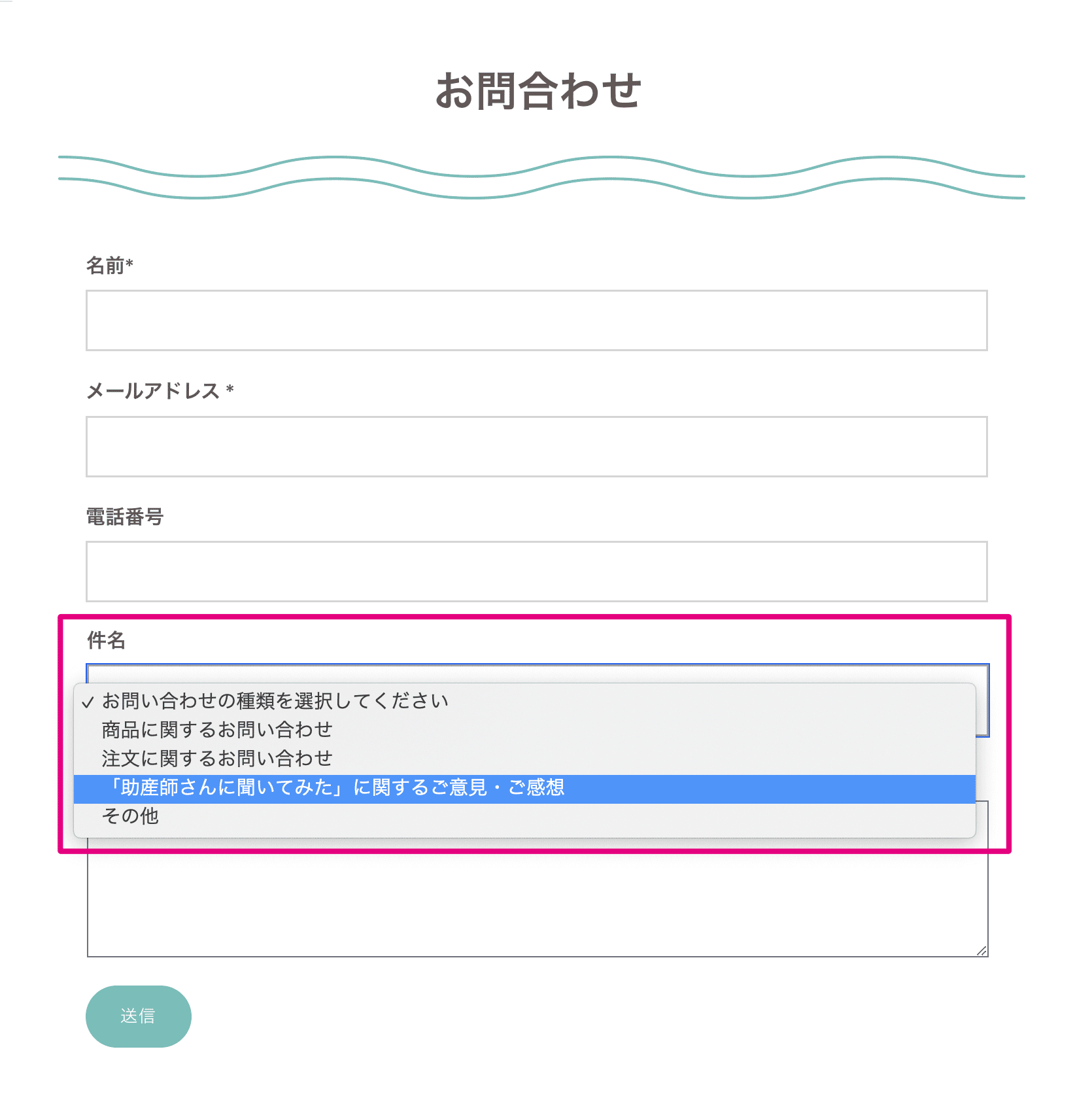
Please select your opinion or comment about "I asked midwife" in the subject field of the inquiry form, enter the content, and send it to us.
- ● We may contact you to confirm the contents.
- ● We cannot promise that we will reply to you or feature you in an article, etc.
Updated on the 2nd and 4th Thursday of each month
Next time... Thursday, March 26, 2026 Update
Enjoy!



Midwife Yoko Nambu
After graduating from Tokyo Medical and Dental University School of Nursing and obtaining a national nursing license, and graduating from the Japanese Red Cross School of Midwifery and obtaining a national midwifery license, she worked as a midwife in the obstetrics and gynecology ward of Tokyo Medical and Dental University Hospital, attending over 300 births and picking up babies. After that, she established "Toraube Inc.", a consultation office mainly for women's body. As a woman's ally, she provides consultation for problems at all ages. She believes that women should understand their own body as their own. She believes that this will lead to the solution of all problems and deals with them on a daily basis.
Her hobbies include traveling with her husband, listening to movies and music, and playing healthy mahjong.
What I want you to know from my experience
supporting many mothers as a midwife.


Blog where midwives attend to the anxieties many moms and dads have about raising their children

