

#56
When should you stop breastfeeding?


Breastfeeding plays a significant role
in providing skin-to-skin contactThe
optimal time to stop breastfeeding depends
on the baby's condition and the mother's health
For the first several months after birth, babies get all their nutrition from breast milk or formula milk.
Although babies begin taking solid food after a few months, holding them close while breastfeeding provides significant skin-to-skin contact. It allows them to gain a sense of security and satisfaction alongside their nutritional intake.
This is precisely why stopping breastfeeding is not an easy decision to make.
The World Health Organization (WHO) recommends continuing breastfeeding beyond two years of age. The American Academy of Pediatrics also states that “breastfeeding is recommended for at least 12 months, and thereafter for as long as the mother and child wish to continue.”
In Japan, the term “weaning” has been removed from the Mother and Child Health Handbook, and the completion of weaning is no longer inquired about.
This change is based on scientific evidence demonstrating the benefits of extended breastfeeding.
In the past, it was common for adults to decide when to stop breastfeeding or bottle-feeding — a practice known as “weaning” — once babies were introduced to solid food.
Nowadays, weaning is more commonly divided into several different approaches: "natural weaning," where parents wait for the baby to naturally stop breastfeeding or bottle-feeding; "partial weaning," where breastfeeding during the day becomes impossible due to the mother returning to work; and "planned weaning," where the mother gradually reduces feedings while observing her child's behavior and the condition of her breasts.
Some children wean before they turn one year old, while others continue breastfeeding even at three years old, when they eat the same meals as adults do. Of course, there is no rule that says weaning earlier or later is better. The optimal timing for weaning should be determined by observing the baby's condition and the mother's health.


Weaning is a time of significant changeIt's very important for both baby
and
mother to be emotionally prepared
Weaning from breastfeeding is generally considered to be more challenging than weaning from formula milk. Thorough preparation and a gradual approach is needed to smoothly wean a baby from breastfeeding. Take about a month to
do so, and proceed slowly without rushing the process.
Let's take a look at the key points for weaning from the initial stages.
1. Getting nutrition from solid foods
It's essential that your baby is eating solid foods three times a day and is getting nutrition from sources other than breast milk.
2. Be able to drink fluids other than breast milk
Your baby needs to be able to drink milk, follow-up formula milk, barley tea, or other fluids instead of breast milk using a cup, straw, or mug.
3. Communicate verbally
Instead of suddenly stopping breastfeeding, tell your baby about weaning.
Try saying things like: "You're getting big now, so it's time to say bye-bye to breast milk," or "Let's say bye-bye after you sleep for 〇 more times".
4. Gradually reduce the number of breastfeeding sessions
Gradually reduce the number of breastfeeding sessions while monitoring your child's condition. Start by shortening feeding times after your baby has eaten solid foods: if you were feeding for 10 minutes, gradually reduce it to 8, 7, then 6 minutes. If your baby isn't bothered by the shorter feeding time and lets go of your breast easily, shorten their other feeding times similarly.
5. Maintain plenty of skin-to-skin contact
As you and your baby have been maintaining skin-to-skin contact through breastfeeding, make a conscious effort to hold them and play with them after weaning to avoid a lack of skin-to-skin contact due to weaning.
6. Breast condition
Reducing the frequency of breastfeeding sessions and the amount of milk fed in each session stimulates the production of feedback inhibitor of lactation, decreasing breast milk production. However, if your breasts become engorged, be sure to express breast milk thoroughly to relieve the engorgement and remove lumps in order to prevent mastitis.
7. Mother's mindset
Breastfeeding is also a blissful time for mothers. It's very sad when you can no longer breastfeed your baby. You need to accept it as part of your baby's growth. Support from those around you is also important to help you and your baby through the weaning process with a positive mindset.
When your baby naturally begins to want to nurse less frequently and shows less interest in breastfeeding, it's a sign that they are ready to be weaned.
Additionally, if they start showing a stronger interest in solid foods instead of breast milk or formula milk, it's a good time to begin weaning.
Weaning should not be based on reasons like "everyone else is starting to wean, so I have to stop breastfeeding my baby". It's vital that both baby and mother are emotionally prepared.
Weaning is a time of significant change for both baby and mother. Proceed slowly without rushing the process, together with your baby, at a pace that feels comfortable.

Easy and Simple! All in One
Pump-Free Breast
Milk Storage Bags
A New Style of Pumping.
Pump-Free Breast Milk Storage Bags.

Seeking feedback on
content and childcare issues
We are always looking for your concerns that you would like to see addressed in future issues of "Ask the Midwife". Please send us your opinions, impressions, and concerns about childcare using the inquiry form.Please feel free to contact us if you would like to receive a “Ask the Midwife” leaflet.
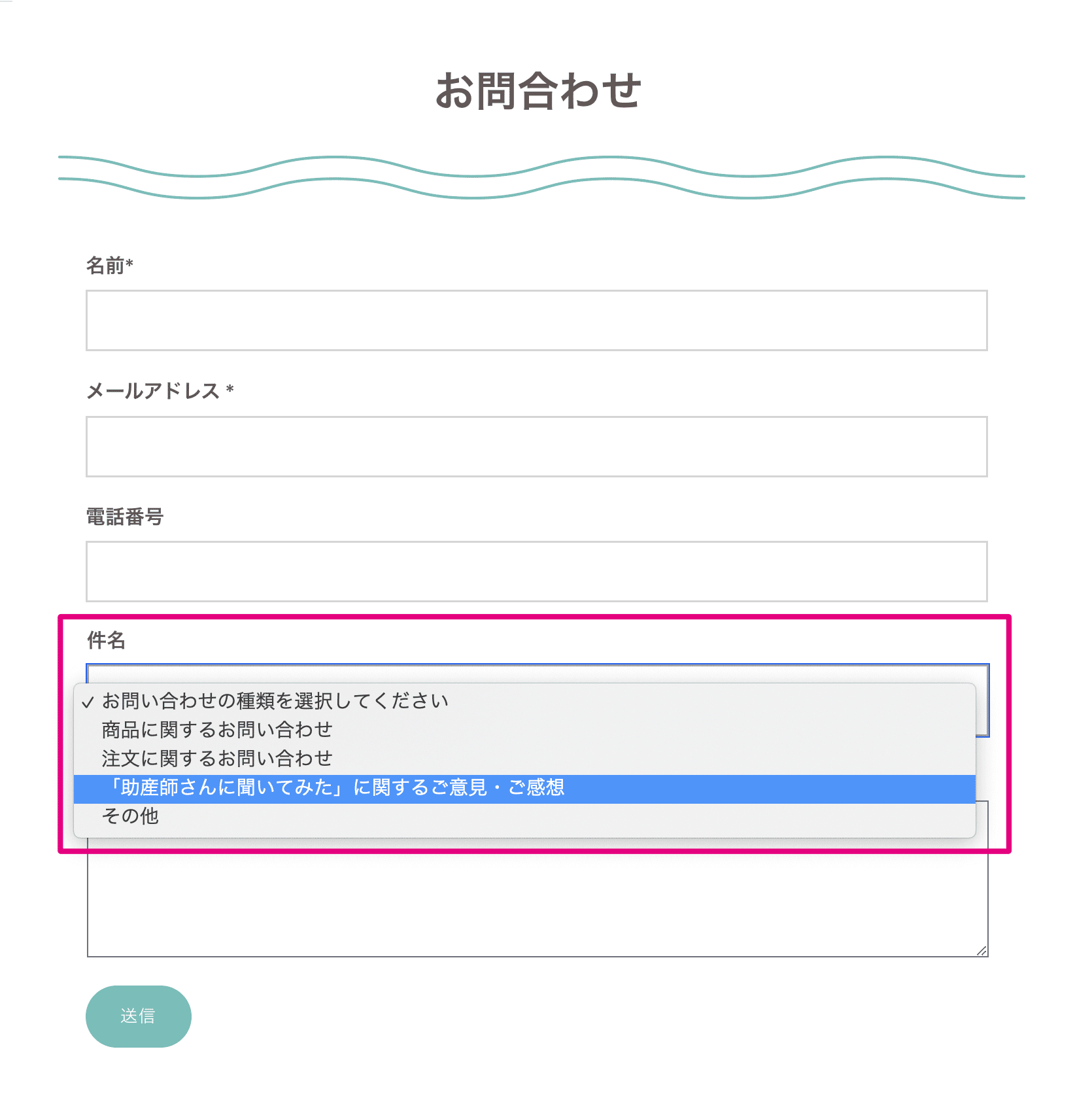
Please select your opinion or comment about "I asked midwife" in the subject field of the inquiry form, enter the content, and send it to us.
- ● We may contact you to confirm the contents.
- ● We cannot promise that we will reply to you or feature you in an article, etc.
Updated on the 2nd and 4th Thursday of each month
Next time... Thursday, March 12, 2026 Update
Enjoy!



Midwife Yoko Nambu
After graduating from Tokyo Medical and Dental University School of Nursing and obtaining a national nursing license, and graduating from the Japanese Red Cross School of Midwifery and obtaining a national midwifery license, she worked as a midwife in the obstetrics and gynecology ward of Tokyo Medical and Dental University Hospital, attending over 300 births and picking up babies. After that, she established "Toraube Inc.", a consultation office mainly for women's body. As a woman's ally, she provides consultation for problems at all ages. She believes that women should understand their own body as their own. She believes that this will lead to the solution of all problems and deals with them on a daily basis.
Her hobbies include traveling with her husband, listening to movies and music, and playing healthy mahjong.
What I want you to know from my experience
supporting many mothers as a midwife.


Blog where midwives attend to the anxieties many moms and dads have about raising their children

