

#64
Postpartum Moms' Mental Health 1


Most Cases Resolve Naturally Within Two WeeksMaternity Blues
After going through the major life event of childbirth, a woman's body undergoes rapid changes. The sharp drop in estrogen, a female hormone, causes significant shifts in the hormonal environment, and the unfamiliar demands of childcare can lead to emotional instability. Despite the joy and excitement that comes with a new baby, postpartum mood dips can happen to anyone.
In particular, the period roughly three days to one week after delivery is known as the "maternity blues" causing a temporary low in mood. The period from around two to three weeks postpartum up to about three months is considered a time when mothers are especially prone to "postpartum depression," marked by exhaustion and anxiety around childcare as well as low mood.
As a result of sleep deprivation from infant care, the burden of childcare and housework, and sudden changes to mother's environment and body, they are more likely to be in a situation of maternity blues and postpartum depression. These symptoms cause low mood and tearfulness which typically arises between three and ten days postpartum.
Most cases of maternity blues resolve on their own within two weeks and do not require medical attention. However, it is important to be aware that maternity blues can turn into postpartum depression. If emotional instability persists beyond two weeks, postpartum depression may be a possibility.
Stress is a major contributing factor to postpartum depression, often compounded by inadequate support from those around the mother. Moreover, the dramatic hormonal changes that accompany pregnancy and childbirth reduce the brain's resilience against stress. As a result, a brain that can no longer process stress effectively begins to malfunction and develops a tendency to interpret situations negatively.
Once in this state, a mother may find herself thinking, "I have to do this, I have to do that!" — setting unrealistic expectations for herself and falling into a vicious cycle of trying to manage everything alone, believing that childcare is entirely her responsibility. This vicious cycle is called depression.


It is Important to Rest Without Pushing Yourself Too HardSymptoms and Prevention of Postpartum Depression
The first step in treating postpartum depression is to evaluate the mother's current environment alongside her family and professionals. This allows them to adjust her surroundings by clarifying things like 'what she doesn't need to do right now' and 'what she should leave to others for support.
《 Watch Out for These Symptoms 》
It is said that one in ten mothers develops postpartum depression. Because it exists on a spectrum and is relatively common, mothers may not notice it in themselves. When the following symptoms persist, it is a sign that the mental burden has become significant. Please consult a specialist. Pay particular attention to low mood, loss of motivation, irritability, decreased appetite, insomnia, and physical discomfort.
- ○ Blaming yourself when things don't go well
- ○ Feeling like you are failing as a mother
- ○ Feeling depressed
- ○ Being unable to sleep even when the baby is sleeping
- ○ Feeling worthless or miserable
- ○ Losing the ability to enjoy things or to laugh
- ○ Crying for no apparent reason
- ○ Feeling irritable
《 If You Think You Might Have Postpartum Depression 》
If you think you might have postpartum depression, rest is the most important thing. Not taking enough rest is commonly seen in mothers who have been pushing themselves too hard. The first step is to arrange for someone other than the mother to take over nursing, childcare, and housework. However, making these arrangements on your own as a mother is difficult.
Because infant care keeps you on high alert around the clock, it is important to take breaks by making use of childcare drop-in services and postpartum care facilities. Family members should step up to help.
《 How to Prevent Postpartum Depression 》
The most important thing for preventing postpartum depression is not to push yourself too hard. Even if you don't feel like you're trying particularly hard, childcare has a way of gradually cornering you into an overwhelming situation.
Raising a child truly is very difficult for a mother to do alone. Make good use of local childcare support centers, NPOs, and private childcare and housekeeping services. Check your local government's website for information on postpartum care programs and temporary childcare options.
From time to time, let family handle the housework and childcare, spend time chatting with friends, or create space to refresh yourself.
《 Discuss the Details Before Giving Birth 》
If your partner is a company employee, paternity leave has become easier to take than it used to be. Discuss the following in advance:
- ○ Who will handle nighttime feeding and diaper changes
- ○ Whether to hire a housekeeping service
- ○ How much support to receive from family or through a temporary return to your parents' home
《 Be Specific When Asking Your Partner for Help 》
Requests like "please take out the trash," "can you make the formula," or "please buy these things" give your partner clear, actionable tasks that are easier to act on.
《 Other Sources of Support 》
- ○ Postpartum doula: visits your home to assist with childcare and housekeeping
- ○ Postpartum care facilities and municipal services are also recommended
Postpartum depression is an illness that can occur in anyone. Left untreated, it can lead to serious consequences including suicide and child abuse, so it is important not to ignore it. With proper treatment, postpartum depression can absolutely be overcome.
Do not try to push through alone — if your body is crying out for rest, please rest. Since it is difficult to resolve on your own, try talking to a friend or family member, and if you are struggling, please feel free to reach out to a midwife or OB-GYN.

Seeking feedback on
content and childcare issues
We are always looking for your concerns that you would like to see addressed in future issues of "Ask the Midwife". Please send us your opinions, impressions, and concerns about childcare using the inquiry form.Please feel free to contact us if you would like to receive a “Ask the Midwife” leaflet.
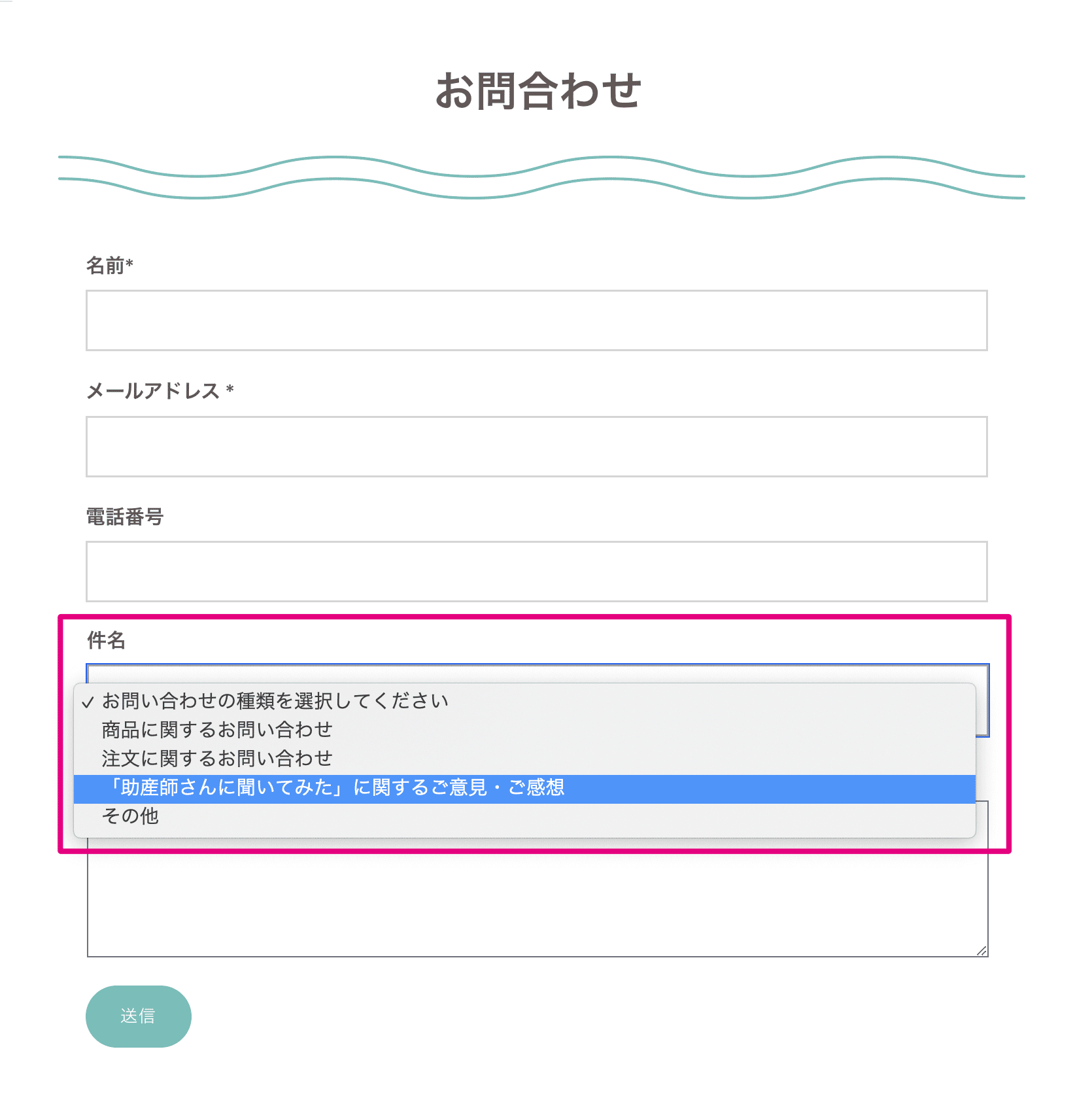
Please select your opinion or comment about "I asked midwife" in the subject field of the inquiry form, enter the content, and send it to us.
- ● We may contact you to confirm the contents.
- ● We cannot promise that we will reply to you or feature you in an article, etc.
Updated on the 2nd and 4th Thursday of each month
Next time... Thursday, July 9, 2026 Update
Enjoy!



Midwife Yoko Nambu
After graduating from Tokyo Medical and Dental University School of Nursing and obtaining a national nursing license, and graduating from the Japanese Red Cross School of Midwifery and obtaining a national midwifery license, she worked as a midwife in the obstetrics and gynecology ward of Tokyo Medical and Dental University Hospital, attending over 300 births and picking up babies. After that, she established "Toraube Inc.", a consultation office mainly for women's body. As a woman's ally, she provides consultation for problems at all ages. She believes that women should understand their own body as their own. She believes that this will lead to the solution of all problems and deals with them on a daily basis.
Her hobbies include traveling with her husband, listening to movies and music, and playing healthy mahjong.
What I want you to know from my experience
supporting many mothers as a midwife.


Blog where midwives attend to the anxieties many moms and dads have about raising their children

