

#62
Postpartum Body Shape Concerns 1

Many mothers gain an average of 10–12 kg compared to their pre-pregnancy weight by the time they are about to give birth. However, after giving birth, although they expect not only their body shape but also their weight to decrease, they often find that nothing has changed much at all. Many may wonder, “Why is that?”
Certainly, the baby weighs around 3 kg, and the placenta and amniotic fluid together weigh about 1 kg, so at least 4–5 kg have left the body. Then, why is there so little change?
This time, we will explain postpartum body shape changes.

The First 6–8 Weeks After Birth; Postpartum PeriodThe Most Important Thing Is to Let Your Body Recover Slowly
Unfortunately, your postpartum figure does not return to normal immediately.
It is said to take about 6–8 weeks after childbirth for the uterus to return to its pre-pregnancy size and for the hormonal changes caused by pregnancy and childbirth to settle down. This period is called the postpartum recovery period. While you may be concerned about changes in your body shape, this is a vital period where your primary focus should be on allowing your body to slowly recover from pregnancy and childbirth. Regardless of whether your delivery was heavy or light, how you spend this puerperium period is incredibly important.
While it is natural that everyone wants to regain their pre-pregnancy body right away, the postpartum period is a precious time meant for healing your depleted physical strength, recovering from an episiotomy, or healing the wound if you had a Cesarean section. First, let your body rest properly and recover.
As the traditional phrase “getting back to normal life (tokoage)” suggests, until about 3–4 weeks after childbirth, it is very important to rest and stay as calm as possible except for childcare-related activities.
Now, let us explain why weight does not decrease easily.
There are reasons why body weight does not decrease much after childbirth.
During childbirth, the body rapidly loses the fluids it stored, such as blood and amniotic fluid, and heavy sweating during delivery also causes sudden fluid loss. As a result, the body’s defense response works to quickly retain water again.
However, after delivery, the body does not encounter situations where such large amounts of fluid are lost, so it remains in a state of retaining far more water than is necessary for normal daily life. The tendency to develop swelling is considered to be one of the factors that hinders weight loss.
Mothers who breastfeed also lose body fluids through breast milk, so similarly, the body tries to retain water, making swelling more likely and preventing weight reduction.
As mentioned earlier, during pregnancy, the baby, placenta, and amniotic fluid together increase weight by about 5–6 kg. In addition, the uterus enlarges, blood volume increases, and subcutaneous fat in the breasts increases during pregnancy, so it is natural for body weight immediately after childbirth to still be greater than before pregnancy.
Since the period of 6–8 weeks after childbirth is when the body gradually begins to recover, avoid strict dieting and intense exercise. Resume your pre-pregnancy lifestyle and exercise only after the 6–8 week postpartum recovery period has passed.


How You Spend the Postpartum Period Is Very ImportantChanges in Postpartum Body Shape
Why do postpartum body shape changes such as sagging of the stomach, hips, and breasts occur?
A woman’s body secretes hormones during pregnancy that loosen joints such as the pelvis so that the baby can pass more easily through the birth canal during delivery.
After childbirth, the effects of these hormones gradually disappear over several months and the body returns to its original position. However, if strong pressure, such as carrying heavy objects or wearing tight girdles is applied to the abdomen while the pelvis is still loose and open the internal organs may sag, causing a protruding belly. In addition, if the pelvic floor muscles which support the organs like a hammock from below the pelvis, being heavily damaged from childbirth could also be a contributing factor. The same can be said about the causes of sagging hips.
The breasts become more than three times heavier than before pregnancy because the mammary glands develop in order to produce breast milk. As the breasts change from pregnancy through the postpartum period, the ligaments that support the mammary glands and fat become stretched, weakening their support and causing sagging.
Considering these causes of postpartum sagging, you can understand that simply losing weight alone will not improve the condition.
Dieting methods that focus only on food intake, such as calorie restriction or eating only certain foods in order to lose weight, may negatively affect both the postpartum body and your future health as you age. Especially during childcare, proper nutrition is essential in order to provide nutrients to the baby and maintain muscle strength and stamina needed for childcare.
For the sake of your body, which worked hard through pregnancy and childbirth, for your baby, and for your future self, aim to become a healthy and beautiful mother! In order to do so, it is important to remember that how you spend the postpartum period is extremely important.
Next time, we would like to introduce ways to help restore your original body shape.

Seeking feedback on
content and childcare issues
We are always looking for your concerns that you would like to see addressed in future issues of "Ask the Midwife". Please send us your opinions, impressions, and concerns about childcare using the inquiry form.Please feel free to contact us if you would like to receive a “Ask the Midwife” leaflet.
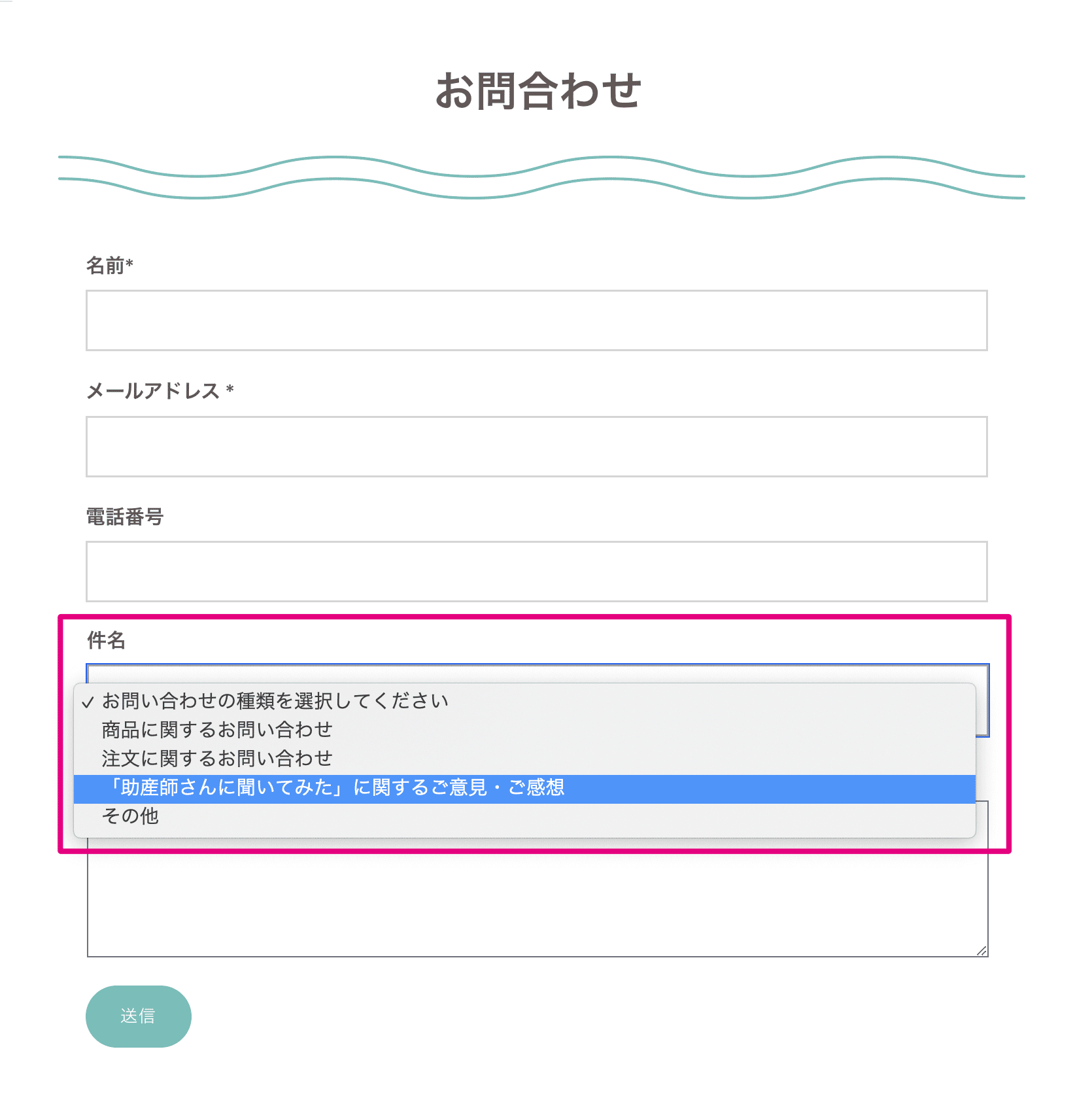
Please select your opinion or comment about "I asked midwife" in the subject field of the inquiry form, enter the content, and send it to us.
- ● We may contact you to confirm the contents.
- ● We cannot promise that we will reply to you or feature you in an article, etc.
Updated on the 2nd and 4th Thursday of each month
Next time... Thursday, June 11, 2026 Update
Enjoy!



Midwife Yoko Nambu
After graduating from Tokyo Medical and Dental University School of Nursing and obtaining a national nursing license, and graduating from the Japanese Red Cross School of Midwifery and obtaining a national midwifery license, she worked as a midwife in the obstetrics and gynecology ward of Tokyo Medical and Dental University Hospital, attending over 300 births and picking up babies. After that, she established "Toraube Inc.", a consultation office mainly for women's body. As a woman's ally, she provides consultation for problems at all ages. She believes that women should understand their own body as their own. She believes that this will lead to the solution of all problems and deals with them on a daily basis.
Her hobbies include traveling with her husband, listening to movies and music, and playing healthy mahjong.
What I want you to know from my experience
supporting many mothers as a midwife.


Blog where midwives attend to the anxieties many moms and dads have about raising their children

