

#66
Pregnancy Constipation


Many Pregnant Women Struggle With ThisConstipation Is Common During Pregnancy
During pregnancy, various discomforts such as swelling, fatigue, stiff shoulders, numbness in the legs, frequent urination, and more can appear. Constipation is one that many pregnant women seem to struggle with.
The cause of constipation is progesterone, a hormone secreted in large amounts during pregnancy, which suppresses intestinal movement. While this hormone supports placental formation and fetal growth, it also causes muscle walls to swell and slows intestinal activity, leading to constipation.
Another contributing factor is that morning sickness makes it difficult for mothers to get enough water and fiber. When morning sickness is severe, nutrition often becomes secondary, and women end up eating only what they can manage which sometimes leaves little material to form stool.
Moreover, the gradual growth of the uterus pressing on the intestines, combined with lack of exercise, also makes constipation more common during pregnancy.
〈 Early Pregnancy 〉
In early pregnancy, morning sickness often prevents women from eating three regular meals, or from eating enough at each meal. When the intestines don't accumulate enough stool, the rhythm of bowel movements is disrupted which can lead to constipation. Changes in the body and daily life can also become sources of stress, which disrupts the autonomic nervous system and causes constipation.
〈 Mid-Pregnancy 〉
Once pregnant, intestinal movement becomes slower than before due to progesterone. Since progesterone secretion increases as pregnancy progresses, some women develop constipation starting in mid-pregnancy. Lack of exercise can also contribute to slower intestinal movement.
〈 Late Pregnancy 〉
In late pregnancy, in addition to the effects of progesterone, the enlarged uterus pressing the intestines is another factor behind constipation. Difficulty bearing down fully out of concern for the baby may also affect constipation.


Once Constipation Becomes a ConcernBasic Measures Against Constipation
Once constipation becomes noticeable, it's worth reviewing daily habits such as diet and exercise.
It's easy to assume that pregnancy means one should rest and stay still, but in fact, staying active tends to lead to a healthier pregnancy. An irregular lifestyle can disrupt the autonomic nervous system, which is another cause of sluggish bowel function. Try to keep a consistent daily rhythm especially for meals, and for bedtime and waking time.
〈 About Laxatives 〉
Early pregnancy is a time when constipation is common due to morning sickness, but if severe nausea makes it hard to take in enough fluids and food, taking a laxative early on can be one solution.
Some women may worry about taking medication during pregnancy. However, magnesium oxide–based laxatives are commonly prescribed for pregnant women because they don't directly stimulate the intestines. Instead of that, they draw water into the stool to make it easier to pass. Rather than self-judging with over-the-counter medicine, it's best to consult a doctor and take medication only as prescribed.
〈 Hydration and Nutrition 〉
Getting enough fluids is an important part of managing constipation. Daily water needs are about 1 liter in winter and 1.5 liters or more in summer. It's also important to take in dietary fiber and lactic acid bacteria to keep the gut environment in good condition. Dietary fiber promotes intestinal peristalsis. Foods rich in fiber include konjac, kanten, burdock root, seaweed, beans, root vegetables, mushrooms, and brown rice.
Fruit is also high in fiber, but relying on it alone can lead to excessive sugar intake. Seaweed is likewise rich in fiber, but it also contains iodine, which should not be consumed in excess during pregnancy. In particular, kombu is high in iodine and best avoided.
Lactic acid bacteria also help regulate the gut environment. These can be found in fermented foods like yogurt and natto, while oligosaccharides, which support healthy digestion, are found in soybeans and onions.
〈 Moderate Exercise 〉
While lack of exercise can cause constipation, excessive exercise should also be avoided.
It has been told that massaging the belly in a "no (の)" shaped motion around the navel has positive effects, however firm massage is not suitable for those who have been advised to rest or who are prone to a tightening uterus. It should only be done gently, in consultation with a doctor.
Getting sunlight and moving the body is recommended, as it helps activate intestinal movement.
Make a habit of manageable exercise such as stretching or walking.
When constipation puts strain on the anus, it can also lead to hemorrhoids. From late pregnancy through the postpartum period, many women develop hemorrhoids as the pelvic floor muscles loosen. Pelvic floor muscle training after childbirth is important to address this.
Constipation during pregnancy is not unusual and many women experience it.
By taking reasonable body-friendly measures, we hope you can enjoy a comfortable maternity life.

Seeking feedback on
content and childcare issues
We are always looking for your concerns that you would like to see addressed in future issues of "Ask the Midwife". Please send us your opinions, impressions, and concerns about childcare using the inquiry form.Please feel free to contact us if you would like to receive a “Ask the Midwife” leaflet.
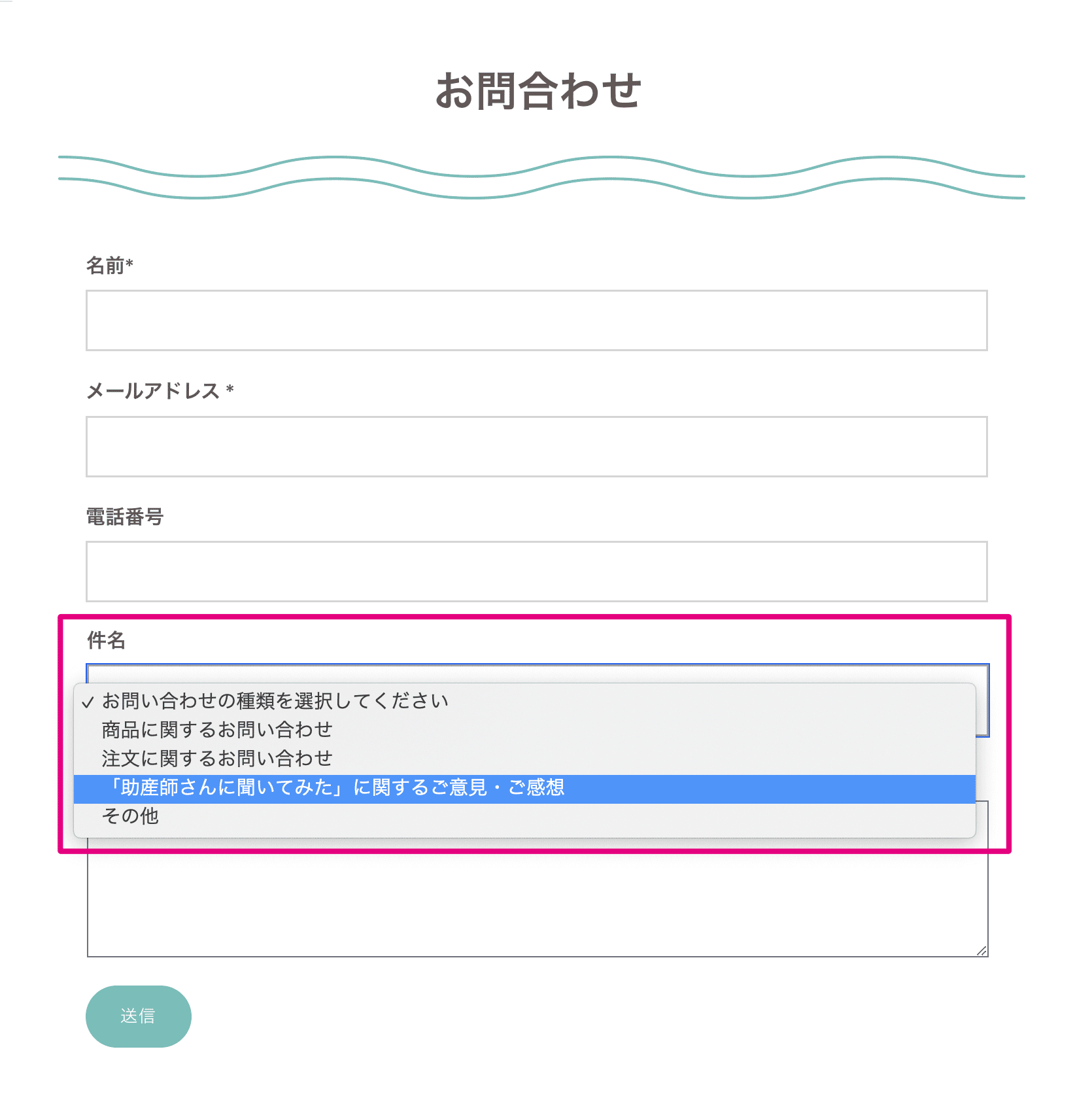
Please select your opinion or comment about "I asked midwife" in the subject field of the inquiry form, enter the content, and send it to us.
- ● We may contact you to confirm the contents.
- ● We cannot promise that we will reply to you or feature you in an article, etc.
Updated on the 2nd and 4th Thursday of each month
Next time... Thursday, August 13, 2026 Update
Enjoy!



Midwife Yoko Nambu
After graduating from Tokyo Medical and Dental University School of Nursing and obtaining a national nursing license, and graduating from the Japanese Red Cross School of Midwifery and obtaining a national midwifery license, she worked as a midwife in the obstetrics and gynecology ward of Tokyo Medical and Dental University Hospital, attending over 300 births and picking up babies. After that, she established "Toraube Inc.", a consultation office mainly for women's body. As a woman's ally, she provides consultation for problems at all ages. She believes that women should understand their own body as their own. She believes that this will lead to the solution of all problems and deals with them on a daily basis.
Her hobbies include traveling with her husband, listening to movies and music, and playing healthy mahjong.
What I want you to know from my experience
supporting many mothers as a midwife.


Blog where midwives attend to the anxieties many moms and dads have about raising their children

