

#67
Menstruation After Childbirth


There Is Significant Individual VariationWhen Does Menstruation Return After Childbirth?
Many women worry about when their period will return after giving birth, but the key thing to note is that timing varies greatly from person to person.
Menstruation may resume as early as one month (about 4–6 weeks) after delivery for some women, while it may not return until more than a year postpartum for others.
One of the main factors behind this difference is whether or not the mother is breastfeeding. If you are not breastfeeding, your ovarian function generally recovers relatively quickly, much as it did before pregnancy, and ovulation and menstruation typically begin to return within several weeks to about two months after childbirth.
So why does breastfeeding often delay the return of menstruation?
During breastfeeding, the pituitary gland produces large amounts of prolactin, a hormone often referred to as the "parenting" hormone. Prolactin suppresses ovulation, which is why menstruation stops. The release of prolactin is stimulated when the baby suckles at the breast.
In other words, the more frequently a baby nurses, the higher the mother's prolactin levels remain, delaying the return of menstruation.
The absence of menstruation allows the ovaries and uterus—which have worked hard throughout pregnancy—to rest and recover, which is considered a normal and healthy physiological process.
Women who are breastfeeding can generally expect menstruation to return within one year after childbirth, but this is only an average. Even if your period has not returned after one year, it is not unusual if you are still breastfeeding, so there is usually no need for excessive concern.
The menstrual cycle is regulated by two female hormones, estrogen and progesterone, whose levels drop sharply immediately after childbirth and remain lower than pre-pregnancy levels for approximately 6–8 weeks postpartum. During this period of reduced hormone levels, ovulation does not occur, so menstruation remains absent. Conversely, once estrogen and progesterone return to their normal levels, menstruation may resume even if you are still breastfeeding.


Lochia After Childbirth and Menstruation Are DifferentIrregular Periods After Menstruation Returns and When the Cycle Normalizes
〈 Lochia and Menstruation Are Not the Same 〉
Lochia—the vaginal discharge that continues after childbirth—is different from menstruation. Lochia consists of blood, remnants of the uterine lining, and other tissue expelled after delivery. Normally, it gradually changes from bright red to a lighter color over the course of 4–6 weeks postpartum, steadily decreases in amount, and eventually stops.
If you experience bleeding around one month after giving birth, it may simply be lochia that had subsided and then returned temporarily.
Likewise, bleeding 2–3 months postpartum is not necessarily the return of your period. It may instead be abnormal uterine bleeding caused by retained tissue, such as remnants of the fetal membranes.
If you experience heavy bleeding, pass large blood clots, develop a fever, or notice a foul-smelling discharge, seek medical attention from a gynecologist promptly.
〈 Irregular Menstrual Cycles After Menstruation Returns 〉
The signs that menstruation is about to return after childbirth vary from woman to woman, much like they did before pregnancy. Some women experience skin breakouts, while others may notice bloating, constipation, lower abdominal pain, or other symptoms. Although the warning signs differ, one thing is common: menstrual cycles are often irregular for a while after periods resume.
The first postpartum period may be an anovulatory menstrual cycle where the ovaries do not release an egg. In such cases, menstrual flow may be lighter than usual, or the cycle may be longer than normal. For most women, the menstrual cycle gradually returns to its usual pattern within a few months after childbirth.
Even after your cycle becomes regular again, it may not be exactly the same as it was before pregnancy.
If, after experiencing three or four menstrual cycles postpartum, your menstrual flow is still extremely light, it is a good idea to consult a gynecologist.
Conversely, some women experience heavier-than-usual periods. If your menstrual bleeding is excessively heavy, it could indicate an underlying uterine condition, so you should also seek medical advice in that case.
〈 How to Help Restore a Regular Menstrual Cycle 〉
To help regulate your menstrual cycle after childbirth, it is important to adopt a lifestyle that supports a healthy autonomic nervous system, which helps regulate the secretion of female hormones.
- ● Eat a Well-Balanced Diet
Eating three nutritious meals at regular times each day helps maintain a healthy balance in the autonomic nervous system.
The quality of your diet is also important. After childbirth, two nutrients that are especially essential for mothers are iron and calcium. Iron is vital for producing blood. Since blood is lost during childbirth and is also needed for breast milk production, make it a point to consume iron-rich foods. Calcium is transferred from mother to baby through breast milk and is essential for the baby's growth and development.
In addition, be sure to consume vitamins, which improve the absorption of iron and calcium, as well as minerals, which help reduce fatigue and support recovery. - ● Get Adequate Rest
Mothers who are breastfeeding often experience sleep deprivation. Whether in the day or at night, try to rest while your baby is sleeping. It is also important not to overexert yourself by asking your partner or other family members to help with childcare tasks and household chores that do not specifically require you, so you can avoid becoming overly fatigued. - ● Make Time to Relax
Stress is the greatest enemy of the autonomic nervous system. Try to set aside time to relax and reduce your stress levels. For example, leisurely soaking in a warm bath at 39–40°C (102–104°F) can be very relaxing.
After your one-month postpartum checkup, taking short walks around your neighborhood with your baby is also recommended. You may also find it helpful to visit local community childcare facilities. Moderate exercise helps regulate the autonomic nervous system, and spending time outdoors can be a refreshing change of pace.


You Can Become Pregnant Before Your Period ReturnsMenstruation and Pregnancy
〈 If Your Period Has Not Returned 〉
If you are not breastfeeding and your period has still not returned, stress or other factors may be delaying the resumption of menstruation.
If your period has not resumed within three months after weaning, you should see a gynecologist promptly.
Depending on your condition, your doctor may prescribe hormone medication to help restart your menstrual cycle.
〈 Pregnancy Can Occur Before Menstruation Returns 〉
Many women do not realize when ovulation resumes, making it possible to become pregnant before their first postpartum period. Ovulation typically occurs about two weeks before menstruation, so having intercourse around that time can result in pregnancy before you have experienced your first postpartum period.
One of my friends became pregnant three times before her periods resumed after each birth. After delivering her third child, she remarked, "I haven't had a period in about four years."
Even if you continue breastfeeding and your periods have not yet returned, ovulation may begin again around six months after childbirth, increasing your chances of becoming pregnant. If you are not planning a pregnancy, be sure to use contraception even if your periods have not yet resumed.
Once your periods return, it is helpful to keep a record of the date, amount of bleeding, and any accompanying symptoms of each menstrual cycle. This information can be valuable for planning future pregnancies and monitoring your overall reproductive health.

Seeking feedback on
content and childcare issues
We are always looking for your concerns that you would like to see addressed in future issues of "Ask the Midwife". Please send us your opinions, impressions, and concerns about childcare using the inquiry form.Please feel free to contact us if you would like to receive a “Ask the Midwife” leaflet.
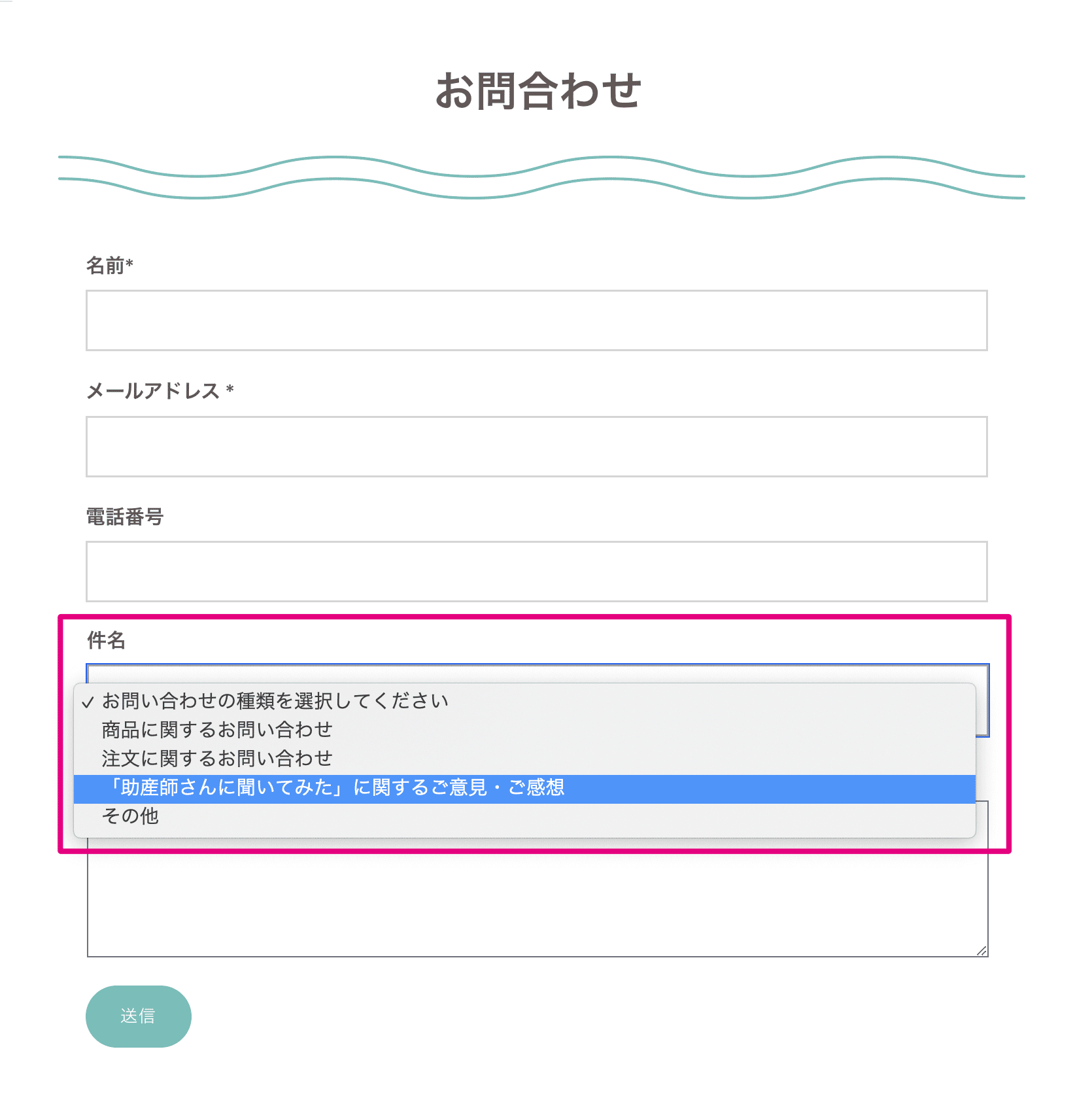
Please select your opinion or comment about "I asked midwife" in the subject field of the inquiry form, enter the content, and send it to us.
- ● We may contact you to confirm the contents.
- ● We cannot promise that we will reply to you or feature you in an article, etc.
Updated on the 2nd and 4th Thursday of each month
Next time... Thursday, August 27, 2026 Update
Enjoy!



Midwife Yoko Nambu
After graduating from Tokyo Medical and Dental University School of Nursing and obtaining a national nursing license, and graduating from the Japanese Red Cross School of Midwifery and obtaining a national midwifery license, she worked as a midwife in the obstetrics and gynecology ward of Tokyo Medical and Dental University Hospital, attending over 300 births and picking up babies. After that, she established "Toraube Inc.", a consultation office mainly for women's body. As a woman's ally, she provides consultation for problems at all ages. She believes that women should understand their own body as their own. She believes that this will lead to the solution of all problems and deals with them on a daily basis.
Her hobbies include traveling with her husband, listening to movies and music, and playing healthy mahjong.
What I want you to know from my experience
supporting many mothers as a midwife.


Blog where midwives attend to the anxieties many moms and dads have about raising their children

