

#70
Baby Skin Problems


A Baby's SkinProne to dryness and sensitive to irritants
A baby’s skin is often thought of as fair, fine-textured, and dewy and plump.
But in reality, it’s very delicate—it’s fragile skin that’s prone to dryness.
One of the skin’s roles is to act as a barrier; the outermost layer, the epidermis, protects the skin from irritants, but a baby’s epidermis is only half as thick as an adult’s.
Furthermore, sebum—which prevents excessive moisture loss from the skin’s surface and helps maintain hydration—peaks in production one month after birth, but its secretion decreases by 2 to 3 months, making the skin more prone to dryness. The skin around the abdomen is particularly prone to dryness.
For these reasons, a baby’s skin has a weaker barrier function than an adult’s and is more sensitive to external irritants such as allergens, bacteria, and viruses.
Furthermore, melanin—which is essential for protection against UV rays—has not yet been produced. Although a baby’s skin appears translucent and white, it is actually very vulnerable to light.
○ Infant Eczema
Infant eczema is a general term for a type of eczema commonly seen in infants under one year of age.
It tends to occur in areas with high sebum production, such as the face, scalp, and neck, and can take various forms, including red, raised bumps resembling acne or scaly crusts on the skin.
When accompanied by discomfort such as itching or pain, the infant may become fussy or drink less milk.
○ Infantile Seborrheic Dermatitis
Infant seborrheic dermatitis refers to a type of eczema in infants caused by excessive sebum secretion.
It is characterized by small, red rashes scattered across the face, scalp, and neck, along with scaly, yellow crusts or dandruff-like flakes adhering to the skin.
During the first month of life, the influence of female hormones that were transferred to the fetus via the placenta persists, leading to a tendency toward increased sebum secretion. While various resident bacteria live on the skin, a type of fungus called Malassezia—which uses the skin as a nutrient source—is believed to proliferate abnormally when sebum is overproduced, causing skin inflammation.
While it is generally considered to be associated with little pain or itching, if skin inflammation occurs or a secondary bacterial infection develops, symptoms such as pain, itching, irritability, reduced milk intake, and scratching of the skin are not uncommon.
It often occurs due to changes in skin metabolism associated with growth and improves naturally with proper skincare.
However, if skin irritation persists despite proper skincare, conditions such as atopic dermatitis may be a possibility.
That said, all types of eczema share common symptoms, such as redness and itching. In some cases, atopic dermatitis may coexist with other forms of eczema, so it may be necessary to monitor the condition over time to distinguish them clearly.
○ Atopic Dermatitis
Atopic dermatitis is characterized by skin irritation that lasts for two months or longer and itching.
If itching is present, the following behaviors may be observed; please use these to make a determination.
- ● Rubbing their face, head, and back against the futon
- ● Scratching around the hands, face, and ears
- ● Rub your feet together
- ● The nighttime crying continues
If the symptoms listed above persist, consult a pediatric dermatologist.
○ Heat Rash
Babies sweat a lot because they have a fast metabolism. Therefore, leaving sweat on their skin can lead to heat rash. Heat rash tends to occur in areas where sweat dries slowly, such as the head, neck, and the insides of the elbows and knees.
Although babies have small bodies, they have the same number of sweat glands as adults, which is why they tend to sweat very easily.
Recently, in particular, there are many types of clothing made from materials like fleece that don’t allow air to pass through. If you dress your baby in highly moisture-retaining clothing, their body may still be drenched in sweat even after removing the clothes, so please be careful.
There are two types of heat rash: crystal-like heat rash, which does not cause itching or redness, and erythematous heat rash, which causes inflammation of the skin, resulting in redness and itching.
○ Neonatal Acne
This refers to baby acne.
White or red rashes about the size of a grain of rice appear on the face, neck, back, and other areas. The inside of clogged pores is prone to bacterial infection, and if the condition worsens, the rashes may become red and swollen or develop pus.
As the inflammation worsens, itching and pain can become severe, so it’s common for the inflammation to spread as a result of scratching.
○ Diaper rash
Diaper rash is medically known as “diaper dermatitis,” and refers to skin inflammation that occurs in the areas where the diaper comes into contact with the skin.
Because a baby’s skin is thin and the barrier function of the stratum corneum is still underdeveloped, it is highly susceptible to external irritants, making diaper rash a common occurrence.
I believe most babies experience this not just once, but many times.
The early stages of diaper rash
- ● The area around my anus has started to turn slightly red.
- ● Babies may touch their bottoms as if they're bothered by something, or they may cry out in pain when you wipe their bottoms with a wipe.
Don't miss your baby's SOS signals—be sure to check their skin during diaper changes and bath time.


Skin AbnormalitiesCarefully determine whether you need to see a doctor
You should visit a pediatric dermatologist in the following situations:
- ● The rash has lasted for more than a week or is getting worse
- ● The eczema has become infected.
- ● There is severe redness or swelling
- ● It feels like the itching is really bad.
- ● The diaper rash isn't getting better. Or, there are whitish flakes visible.
- ● Symptoms such as a fever or lethargy accompany the rash
- ● Skin problems are interfering with daily life
Since skin abnormalities could be a sign of other illnesses, please assess the situation carefully to determine whether you need to seek medical attention—don’t ignore them. As a mom who spends every day with your baby, you’re in the best position to notice any changes or abnormalities.
Next time, let's talk about how to deal with skin problems and skincare routines.

Safe to use even on newborn babies
Baby First Gel Lotion
- Contains peach leaf extract
and aloe vera leaf extract -
It's additive-free and gentle on the skin,
so you can use it with confidence
Gently moisturizes your baby's skin.

Seeking feedback on
content and childcare issues
We are always looking for your concerns that you would like to see addressed in future issues of "Ask the Midwife". Please send us your opinions, impressions, and concerns about childcare using the inquiry form.Please feel free to contact us if you would like to receive a “Ask the Midwife” leaflet.
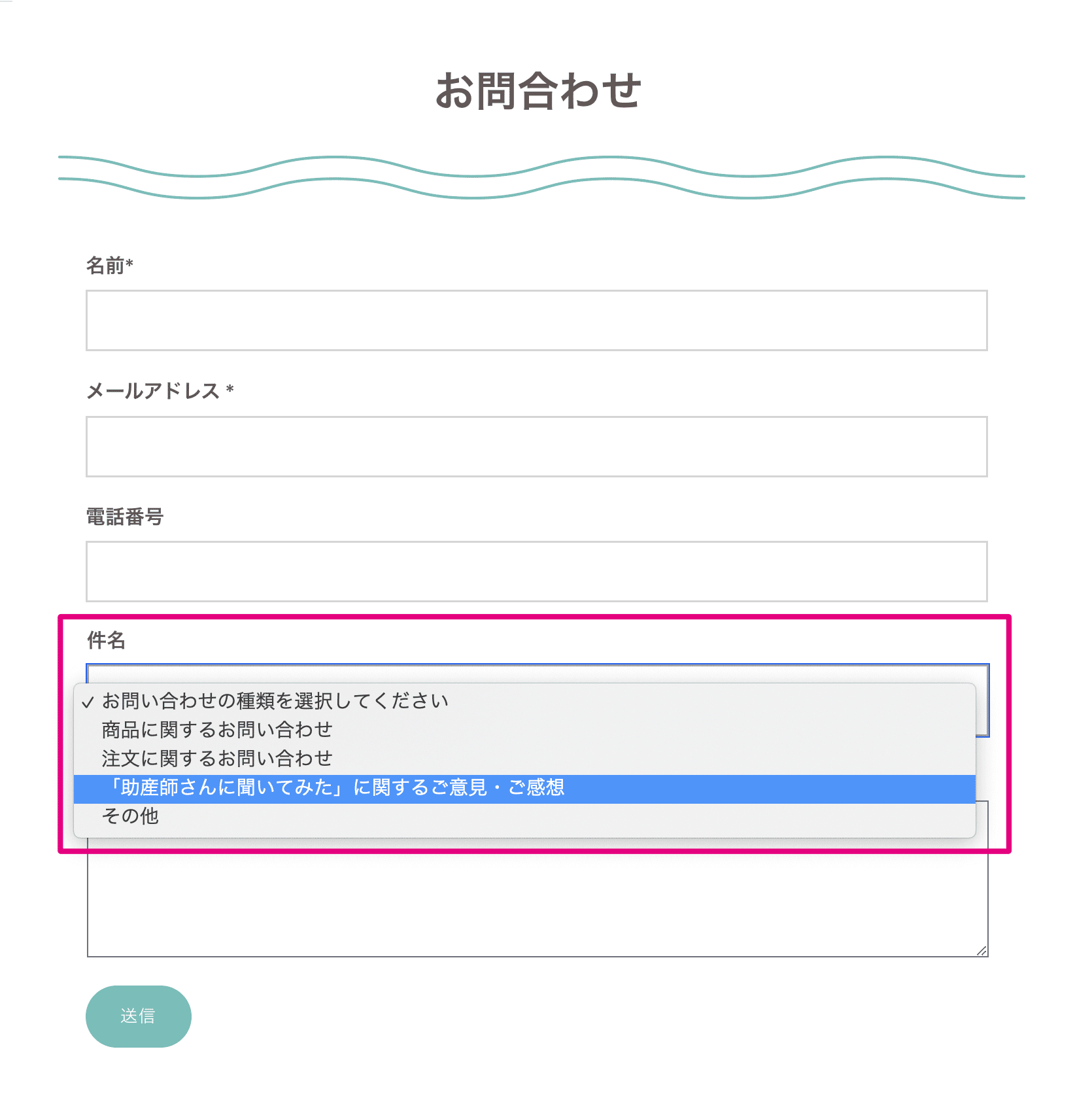
Please select your opinion or comment about "I asked midwife" in the subject field of the inquiry form, enter the content, and send it to us.
- ● We may contact you to confirm the contents.
- ● We cannot promise that we will reply to you or feature you in an article, etc.
Updated on the 2nd and 4th Thursday of each month
Next time... Thursday, October 8, 2026 Update
Enjoy!



Midwife Yoko Nambu
After graduating from Tokyo Medical and Dental University School of Nursing and obtaining a national nursing license, and graduating from the Japanese Red Cross School of Midwifery and obtaining a national midwifery license, she worked as a midwife in the obstetrics and gynecology ward of Tokyo Medical and Dental University Hospital, attending over 300 births and picking up babies. After that, she established "Toraube Inc.", a consultation office mainly for women's body. As a woman's ally, she provides consultation for problems at all ages. She believes that women should understand their own body as their own. She believes that this will lead to the solution of all problems and deals with them on a daily basis.
Her hobbies include traveling with her husband, listening to movies and music, and playing healthy mahjong.
What I want you to know from my experience
supporting many mothers as a midwife.


Blog where midwives attend to the anxieties many moms and dads have about raising their children

