

#68
The Mechanism of Menstruation


The Female Body IsDesigned to Nurture a Baby in the Uterus Until Conception
The other day, I had an opportunity to speak with several mothers raising elementary school-aged children. During our conversation, one mother shared her concern: "I feel like I need to talk to my daughter about menstruation, but I don't know how to explain it."
As we spoke, it seemed that the mother herself did not fully understand how menstruation works. I acknowledged how difficult it is to explain it to their daughter without proper knowledge, and they expressed anxiety about what they should do if their daughter asked many questions.
So, while this topic may be well overdue, I'd like to explain how menstruation occurs so that you can explain it to your daughter.
First, let me ask everyone a question: What is the ultimate difference between men and women?
Of course, there are differences in the structure of the body, but why do these differences exist?
That's right—the difference is whether or not a person can give birth to a baby.
In other words, the female body is designed to allow a baby to grow inside the uterus and eventually be born.
〈 What Is Menstruation? 〉
As you have experienced, approximately once a month, a woman's body releases an egg from the ovaries through ovulation. At the same time, the
uterine lining thickens, preparing the uterus to receive a fertilized egg.
However, if the egg is not fertilized, the prepared uterine lining is no longer needed. It breaks down, sheds, and is discharged from the body. This is menstruation.
Since you have experienced this cycle yourselves, I'm sure you are quite familiar with it.
On average, menstruation occurs in a 28-day cycle, regulated by fluctuations in hormones. Menstruation occurs through ovulation from the ovaries, followed by the growth and subsequent shedding of the uterine lining. Unless pregnancy occurs, this process repeats every month.
This bodily process continues for about 40 years, from menarche (the first menstrual period) until menopause.


Menstruation Begins When the Body Is ReadyAbout Menarche
As a girl grows and reaches a certain age, she experiences her first menstrual period, or menarche. Let's talk about why this happens.
Menarche occurs when a girl's body develops toward adulthood and becomes ready for menstruation to begin.
Signs may include the breasts beginning to develop, a rapid increase in height, the appearance of hair under the arms and around the pubic area, and the beginning of vaginal discharge.
The changes that make the body more feminine are related to female hormones.
Around this time, the brain signals the production of female hormones, which leads to the secretion of ovarian hormones and hormones associated with the corpus luteum. These female hormones gradually bring about changes in the body.
These female hormones drive the monthly menstrual cycle.
Areas of the brain called the hypothalamus and pituitary gland control female reproductive hormones.
In more detail, the hypothalamus secretes gonadotropin-releasing hormone (GnRH). In response, the pituitary gland secretes follicle-stimulating hormone (FSH), luteinizing hormone (LH), and more. Although the brain secretes these hormones, they travel through the bloodstream to the ovaries.
In response to FSH, the ovaries secrete estrogen, while in response to LH, they secrete progesterone.
In the uterus, estrogen stimulates the growth of the uterine lining, while progesterone makes the lining even thicker and softer, preparing it for a potential pregnancy.
Now we have finally come across the familiar hormones we often hear about.
In other words, women's unique reproductive rhythm is created through coordination between the brain, which acts as the command center, the
ovaries, and the uterus.
This is why excessive and continuous stress, which affects the hypothalamus's function, can sometimes stop ovulation and menstruation.


How Does A Period Occur?How the Menstrual Cycle Works
- ● Menstrual Phase
Menstruation refers to the period during which the uterine lining sheds and is expelled from the body along with blood.
Bleeding generally lasts 3–7 days, although individual differences exist. - ● Follicular Phase
At the same time menstruation begins, follicle-stimulating hormone (FSH), secreted by the pituitary gland, stimulates the ovaries, causing follicles to begin developing.
During this stage, more estrogen is secreted, causing the uterine lining to thicken again in preparation for the next ovulation. - ● Ovulation Phase
Once a follicle has matured sufficiently, ovulation occurs.
Ovulation normally takes place around the middle of the menstrual cycle (approximately day 14), when an egg is released from the ovary.
After ovulation, the egg travels through the fallopian tube toward the uterus. - ● Luteal Phase
After ovulation, the follicle that released the egg develops into a corpus luteum, which secretes progesterone and maintains the uterine lining in a thickened state.
If fertilization and implantation do not occur during this period, these hormone levels rapidly decrease.
This decline causes the thick uterine lining, which has completed its role, to shed and be expelled from the body with blood.
This entire process is what we call a "period."
This time, we talked about how a period occurs.
I hope this has helped you understand the process.
Next time, we'll talk about the causes of irregular periods and related topics.

Seeking feedback on
content and childcare issues
We are always looking for your concerns that you would like to see addressed in future issues of "Ask the Midwife". Please send us your opinions, impressions, and concerns about childcare using the inquiry form.Please feel free to contact us if you would like to receive a “Ask the Midwife” leaflet.
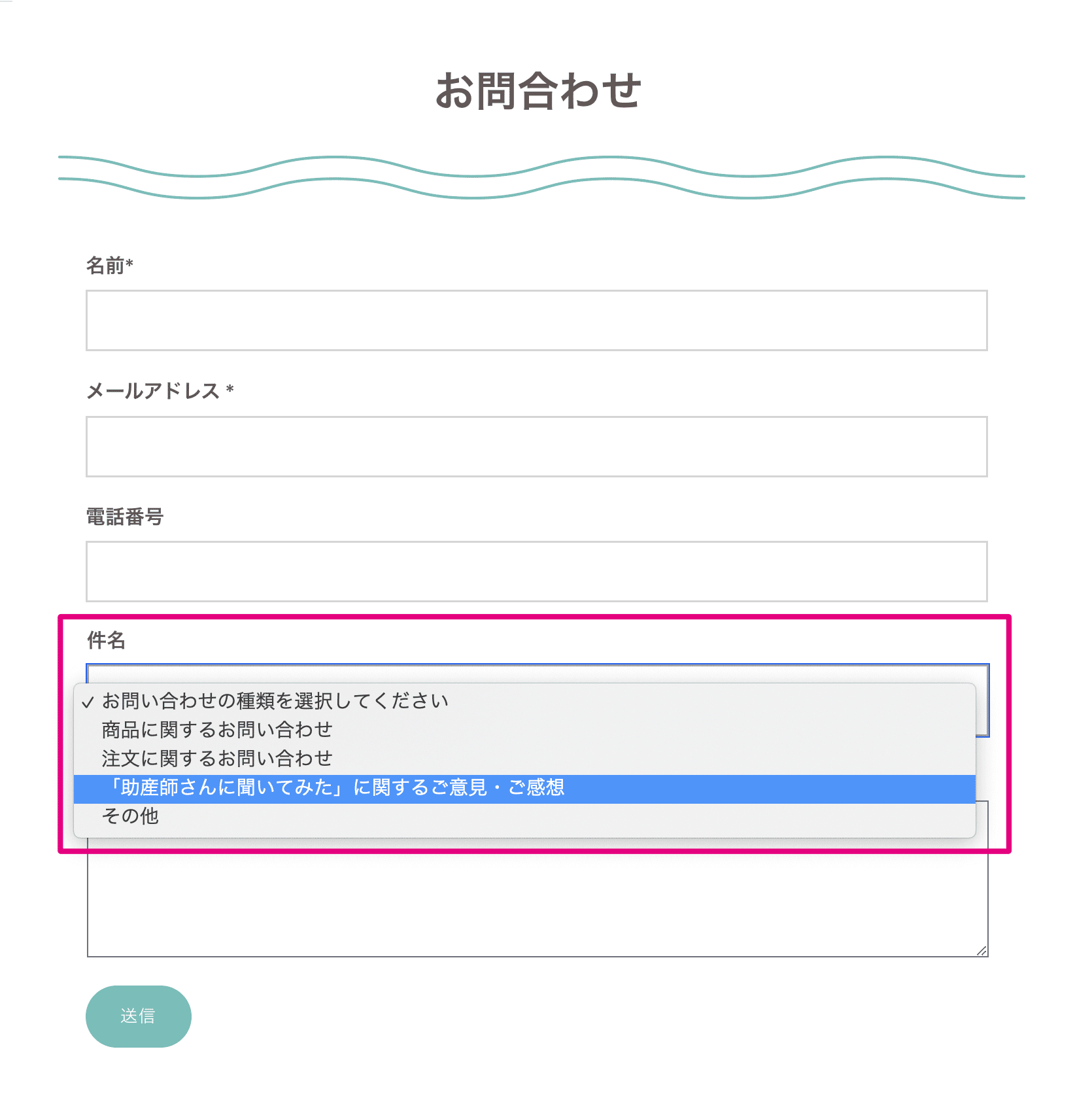
Please select your opinion or comment about "I asked midwife" in the subject field of the inquiry form, enter the content, and send it to us.
- ● We may contact you to confirm the contents.
- ● We cannot promise that we will reply to you or feature you in an article, etc.
Updated on the 2nd and 4th Thursday of each month
Next time... Thursday, September 10, 2026 Update
Enjoy!



Midwife Yoko Nambu
After graduating from Tokyo Medical and Dental University School of Nursing and obtaining a national nursing license, and graduating from the Japanese Red Cross School of Midwifery and obtaining a national midwifery license, she worked as a midwife in the obstetrics and gynecology ward of Tokyo Medical and Dental University Hospital, attending over 300 births and picking up babies. After that, she established "Toraube Inc.", a consultation office mainly for women's body. As a woman's ally, she provides consultation for problems at all ages. She believes that women should understand their own body as their own. She believes that this will lead to the solution of all problems and deals with them on a daily basis.
Her hobbies include traveling with her husband, listening to movies and music, and playing healthy mahjong.
What I want you to know from my experience
supporting many mothers as a midwife.


Blog where midwives attend to the anxieties many moms and dads have about raising their children

