

#72
Baby Massage


Communication with Mom and DadBaby Massage
Moms and dads are busy every day taking care of their babies. Take a moment between caregiving tasks to connect with your baby, strengthen your bond, and enjoy parenting.
Massage is a great way to bond with your baby, and there are two main types of baby massage: “baby massage” and “touch care.”
Although the methods aren’t that different, as a midwife, I’ve been practicing “touch care” for over 25 years, so I’d like to introduce that touch care to you today.
Touch care was established based on research conducted by Dr. Tiffany Field at the Touch Research Institute at the University of Miami.
The results showed that low-birth-weight infants (preterm infants) who received daily massage gained more weight than those who did not receive massage. Not only that, but the study also showed a decrease in levels of cortisol, a stress hormone. In addition, the time it took for them to fall asleep was reduced.
Based on these findings, it has been recognized that this practice is beneficial not only for premature infants but also for healthy infants, and as a result, it has been adopted in Japan as well.
The baby and the parent (the person providing the touch) make eye contact and talk to each other while the parent performs techniques such as firmly touching the baby’s skin, stroking it, and massaging it with gentle pressure.


It also helps promote emotional stability and reduce stressWhy is touch so good?
In the womb, the skin and the brain are formed from the same layer of cells.
The skin is so densely packed with nerves that it is sometimes referred to as “the brain on the outside.” When touched gently, the nerves in the skin interpret this as “a safe and pleasant sensation” and send a signal of reassurance to the brain. At this moment, the heart rate slows and breathing becomes deeper, and the entire body shifts from “stress mode” to “relaxation mode.”
Through the sense of touch, the skin sends signals to the parts of the brain that govern emotions such as “happiness,” “security,” and “pleasure.” Therefore, touching a baby gently and with care creates a sense of connection, as if you were touching the baby’s very heart.
Oxytocin (the “happiness hormone”) is released not only in the baby being touched but also in the person doing the touching, so both parent and child can benefit from emotional stability and stress relief.
A baby's brain continues to develop rapidly after birth, and research has shown that children who receive plenty of physical touch have an increase in the number of cells that produce oxytocin.
It is believed that children who were touched frequently as infants will be more likely to release oxytocin later in life and will develop a positive attitude toward physical contact and interpersonal relationships.


Around the time I got used to taking care of my babyWhen to Start Touch Care and How to Prepare
○ When should I start?
There are no set rules about when to start, but it’s probably easiest to begin around the time of the one-month checkup, once childcare has settled down a bit. If you start massaging your baby suddenly, it might startle them. To begin with, try gently touching their entire body while applying moisturizer after a bath.
○ How long are you going to keep doing this?
There are no specific rules here either. Even as babies become more active, they come to realize that touch care feels good, so they tend to stay calm during these sessions. As they get older, touch care becomes a time for communication and helps create important moments, especially during periods of emotional instability.
○ What do I need to prepare?
- ● Please remove any rings or other jewelry to avoid hurting the baby's skin.
- ● You should also check to see if your nails have grown out.
- ● The best time is between feedings, so try to be prepared.
- ● Since this activity is performed naked, please be mindful of the room temperature during the winter.
○ How do I do it?
Each session lasts about 10 to 15 minutes. Start by telling your baby, “Let’s begin touch care.”
Baby oil and moisturizers ( Betta Baby First Gel Lotion / Betta Maternity First Cream) onto your hands, warm it up, and then begin.
○ Please note that
- ● Depending on the baby, there may be areas they don't like to be massaged and areas they do, so if they seem uncomfortable or start crying, stop massaging that area.
- ● If you have any concerns about your baby's skin or health, please do not force yourself to do this.
- ● If your baby has skin irritation or eczema, avoid using oils or moisturizers and use the products prescribed by your dermatologist instead.
We’ve introduced “Touch Care,” but since it’s difficult to explain the specific techniques for touching and massaging in writing, if the clinic where you gave birth offers this program, we highly recommend that you attend their workshop.
If you're interested, we'll also be holding workshops at Betta tonton—we'd love for you to join us.

Safe to use even on newborn babies
Baby First Gel Lotion
- Contains peach leaf extract
and aloe vera leaf extract -
It's additive-free and gentle on the skin,
so you can use it with confidence
Gently moisturizes your baby's skin.

Developed in collaboration with skin experts
Maternity First Cream
- From pregnancy to postpartum / For babies -
Protects against skin problems caused by dryness
For clear skin with elasticity and luster.

Seeking feedback on
content and childcare issues
We are always looking for your concerns that you would like to see addressed in future issues of "Ask the Midwife". Please send us your opinions, impressions, and concerns about childcare using the inquiry form.Please feel free to contact us if you would like to receive a “Ask the Midwife” leaflet.
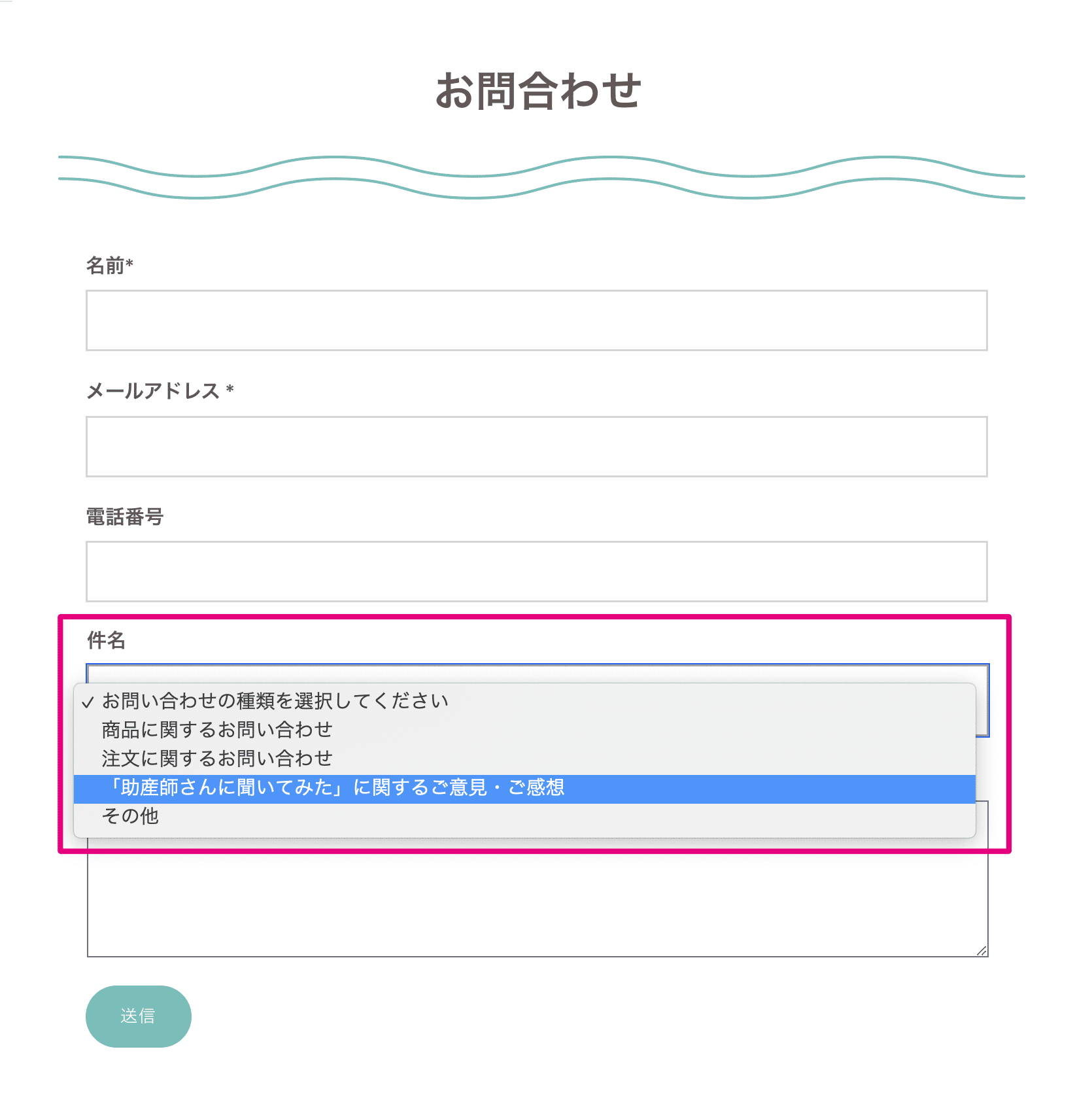
Please select your opinion or comment about "I asked midwife" in the subject field of the inquiry form, enter the content, and send it to us.
- ● We may contact you to confirm the contents.
- ● We cannot promise that we will reply to you or feature you in an article, etc.
Updated on the 2nd and 4th Thursday of each month
Next time... Thursday, November 12, 2026 Update
Enjoy!



Midwife Yoko Nambu
After graduating from Tokyo Medical and Dental University School of Nursing and obtaining a national nursing license, and graduating from the Japanese Red Cross School of Midwifery and obtaining a national midwifery license, she worked as a midwife in the obstetrics and gynecology ward of Tokyo Medical and Dental University Hospital, attending over 300 births and picking up babies. After that, she established "Toraube Inc.", a consultation office mainly for women's body. As a woman's ally, she provides consultation for problems at all ages. She believes that women should understand their own body as their own. She believes that this will lead to the solution of all problems and deals with them on a daily basis.
Her hobbies include traveling with her husband, listening to movies and music, and playing healthy mahjong.
What I want you to know from my experience
supporting many mothers as a midwife.


Blog where midwives attend to the anxieties many moms and dads have about raising their children

